
Linear Position Sensors: Principles and Key Applications
Linear Position Sensors: Principles and Key Applications
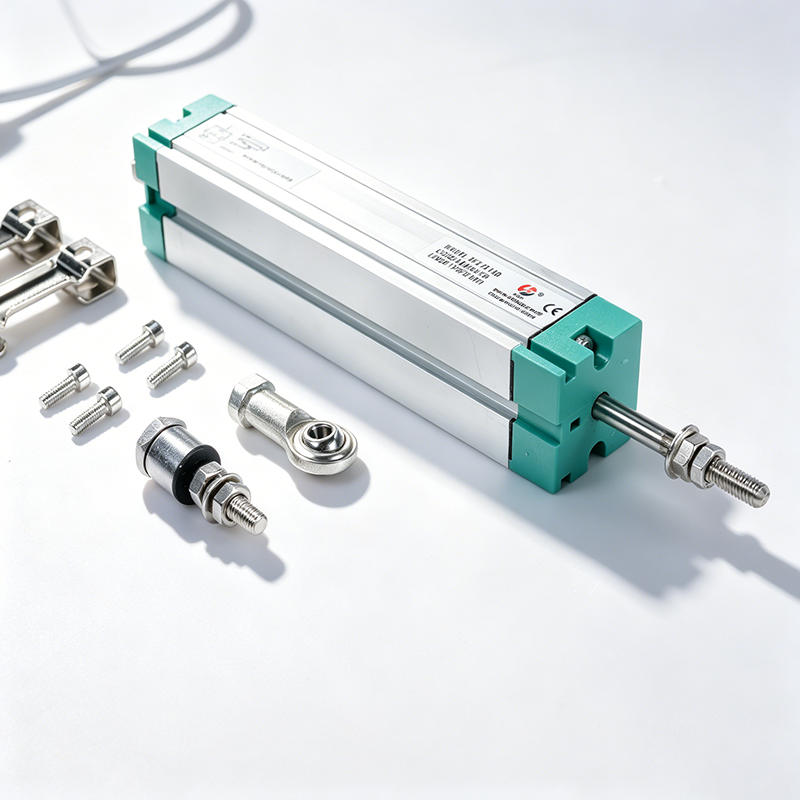
As a manufacturer of precision measurement components, we understand that the selection of a linear sensor is a critical decision. These devices serve as the essential link between mechanical motion and electronic control, converting linear displacement into a readable electrical signal.
Understanding the Core Technology
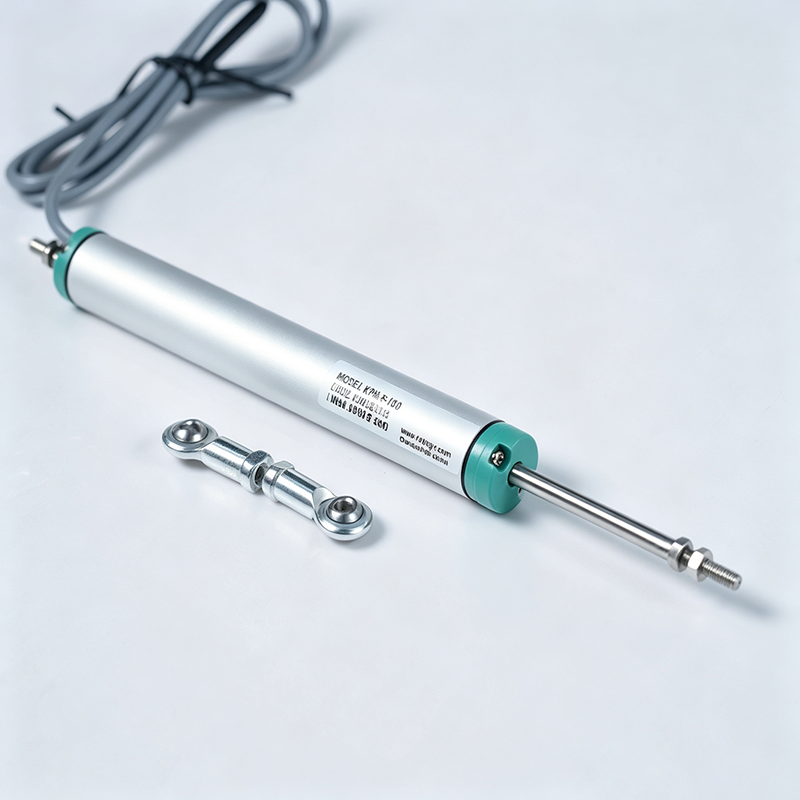
Linear sensors are available in several distinct technologies, each suited for specific operating environments. Potentiometric sensors offer a cost-effective, simple solution with near-infinite resolution, ideal for applications like pneumatics and injection molding. However, they operate with mechanical contact, meaning a wiper moves along a resistive track, which can lead to wear over time.
For demanding industrial applications requiring longevity and reliability, non-contact technologies are often preferred. Magnetostrictive sensors are prized for their durability. These sensors use a waveguide and a permanent magnet to determine position without any physical contact, making them maintenance-free and capable of withstanding high shock, vibration, and extreme pressures up to 350 bar. Similarly, Inductive (LVDT) sensors provide excellent linearity and resolution using a system of coils, making them a robust choice for factory automation and quality control.
Core Application Areas
1. Heavy Industry and Mobile Hydraulics
In sectors like construction and agriculture, equipment operates under extreme stress. Linear sensors are embedded within hydraulic and pneumatic cylinders to provide real-time feedback on piston position. Non-contact technologies like magnetostrictive are essential here as they resist wear from constant cycling and can function reliably within the pressurized fluid zone of the cylinder.
2. Factory Automation and Precision Engineering
In automated assembly lines and robotics, precise position monitoring is mandatory for operational accuracy. Linear sensors provide the feedback necessary for servo control systems to achieve sub-millimeter accuracy. They are extensively used on CNC machine tools, injection molding machines, and gantry systems, where they monitor everything from tool positioning to material thickness.
3. Specialized Environments
Beyond industrial settings, these sensors are critical in medical technology, aviation, and automotive braking systems. In these areas, requirements often shift toward compact, high-precision solutions like optical probes or specially designed cable-actuated sensors that can fit in restricted spaces while maintaining high performance.
We welcome inquiries to discuss how our linear sensor technology can be optimized for your specific application requirements.