

Precautions for using Roots blower
Precautions for using Roots blower
Roots blower is a commonly used volumetric air supply equipment in industry. In order to ensure stable operation of the equipment, extend its service life, and avoid the risk of failure, it is necessary to strictly follow the operating standards and implement full process control during use.
Before starting up, it is necessary to do a pre check and it is strictly prohibited to start under pressure. It is necessary to check whether the anchor bolts and protective covers of the transmission components of the equipment are firm and intact, clean up the debris around the body, and ensure smooth ventilation. At the same time, confirm that the intake filter is clean, the vent valve is fully opened, and the fan is in a no-load starting state to avoid motor overload and gear shaft damage from impact.
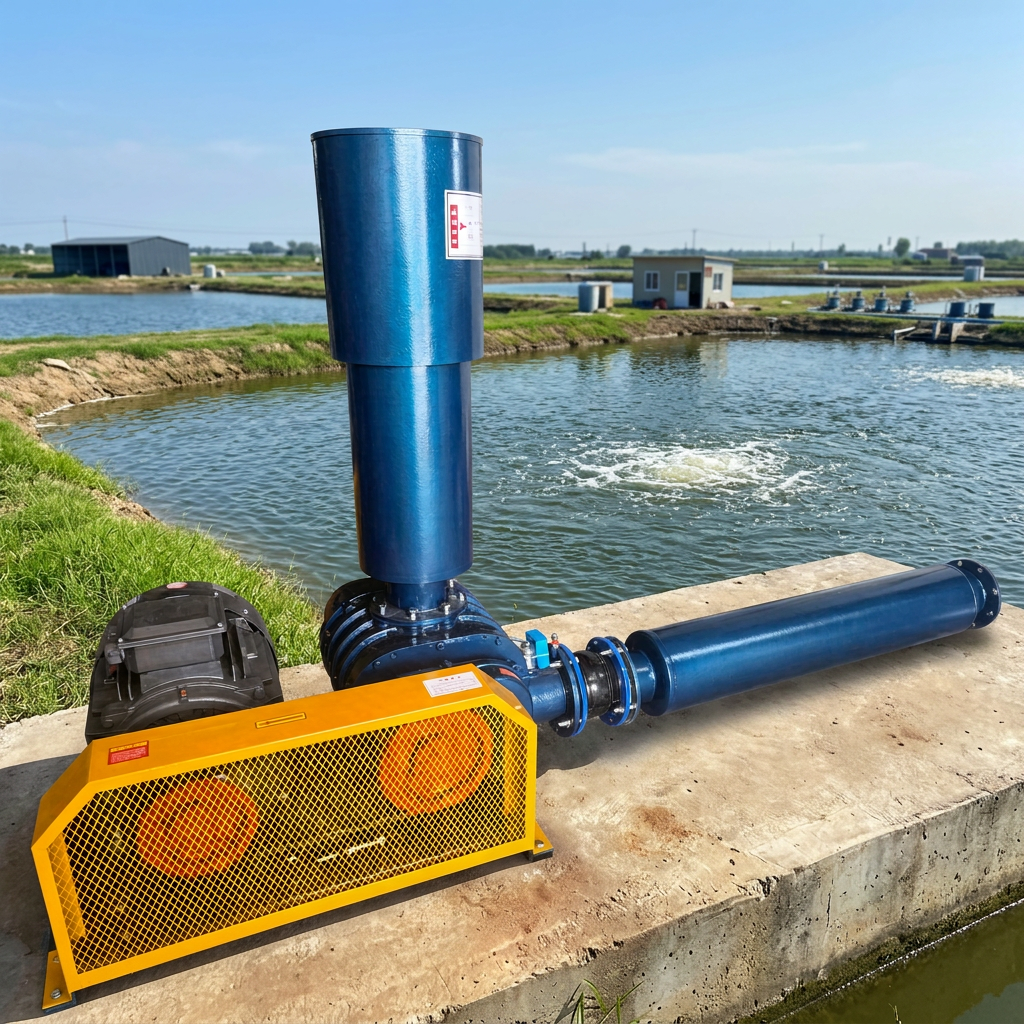
During the operation of the equipment, real-time monitoring of the operating status is required. Pay close attention to parameters such as motor current, bearing temperature, and wind pressure. Overloading and overpressure operation are strictly prohibited, and it is forbidden to completely close the exhaust valve during operation. Regularly check the body for air leaks, oil leaks, abnormal vibrations, and noises, clean the dust and debris on the intake filter screen in a timely manner, and prevent blockages from affecting air supply efficiency and exacerbating component wear. The belt transmission model needs to control the tightness of the belt to avoid slipping and bearing wear caused by excessive looseness and tightness.
Shutdown operations must be standardized, and sudden power outages and shutdowns at full load are prohibited. Before shutting down, open the vent valve and wait for the equipment to run smoothly without load before shutting down to prevent sudden pressure changes from damaging the internal rotor and gears. Regular maintenance is required in daily life. The lubricating oil should be replaced after the first 200 hours of operation, and the oil should be changed regularly every 3 to 6 months thereafter. After shutting down in a cold environment, the cooling water should be drained to prevent freezing damage to the equipment.
In addition, operators are required to wear protective equipment in a standardized manner, regularly check the rotor status during turning, keep records of equipment operation, promptly identify hidden dangers, reduce faults from the source, and ensure long-term safe operation of equipment.