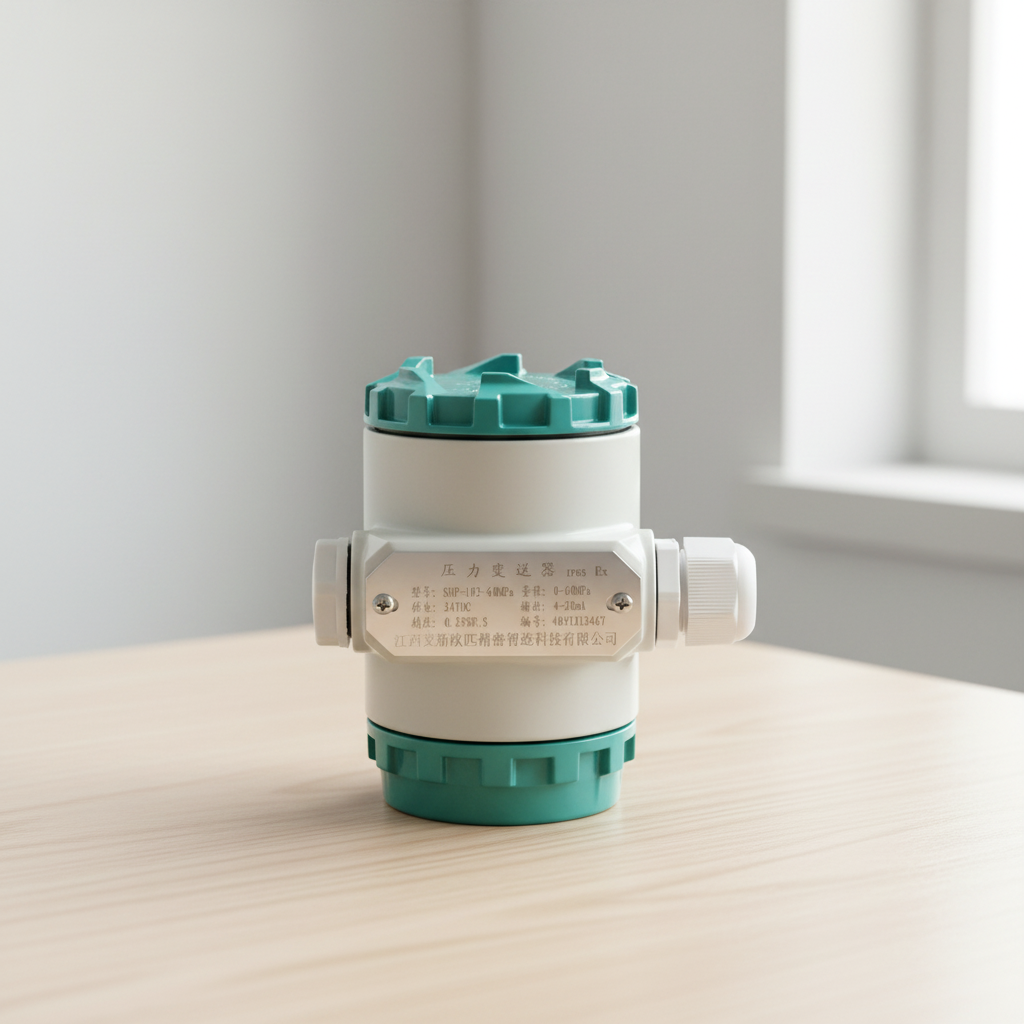

Pressure Sensors and Magnetostrictive Displacement Sensors: Types, Principles, and Applications
Pressure Sensors and Magnetostrictive Displacement Sensors: Types, Principles, and Applications
Sensors play a vital role in modern automation and measurement systems. Among them, pressure sensors and magnetostrictive displacement sensors are two widely used devices, each with distinct principles and application scenarios.
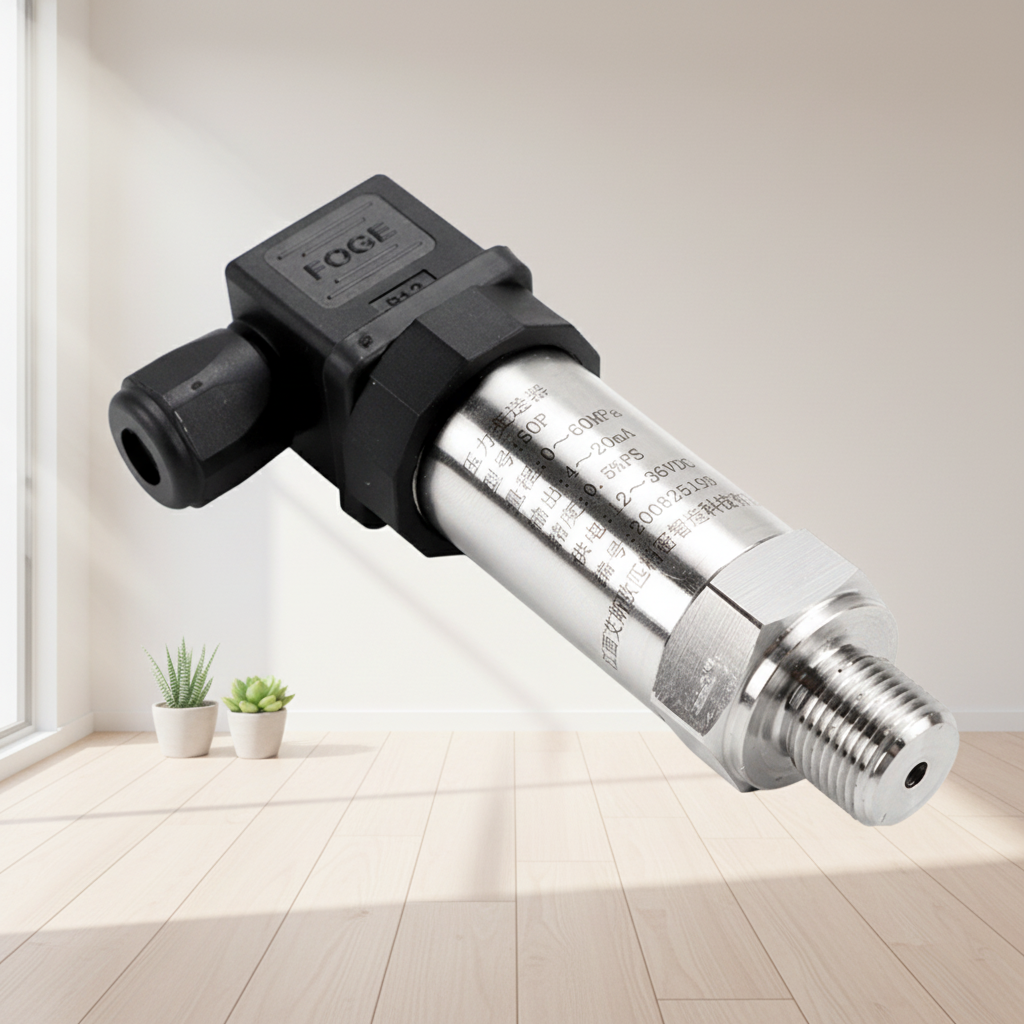
Pressure sensors convert physical pressure into an electrical signal. They are generally categorized into several types based on their sensing elements: piezoresistive, capacitive, piezoelectric, and optical.
The most common type, the piezoresistive pressure sensor, operates on the principle of the piezoresistive effect. A diaphragm with implanted strain gauges deforms under applied pressure, changing its electrical resistance. This change is then converted into a voltage output proportional to the pressure. Capacitive pressure sensors use a movable diaphragm and a fixed electrode to form a capacitor; pressure variation alters the gap between them, changing capacitance. Piezoelectric pressure sensors generate a charge in response to dynamic pressure changes due to the piezoelectric effect in crystals like quartz, making them ideal for measuring fluctuating pressures.
Pressure sensors are ubiquitous. In industrial automation, they monitor hydraulic and pneumatic systems, ensuring safe operating pressures. In the automotive industry, they are used in tire pressure monitoring systems (TPMS), fuel rail pressure sensing, and engine oil pressure monitoring. Medical devices such as ventilators, blood pressure monitors, and infusion pumps rely on accurate pressure measurement. HVAC systems use them to monitor air and refrigerant pressures for efficient climate control.
Magnetostrictive Displacement Sensors
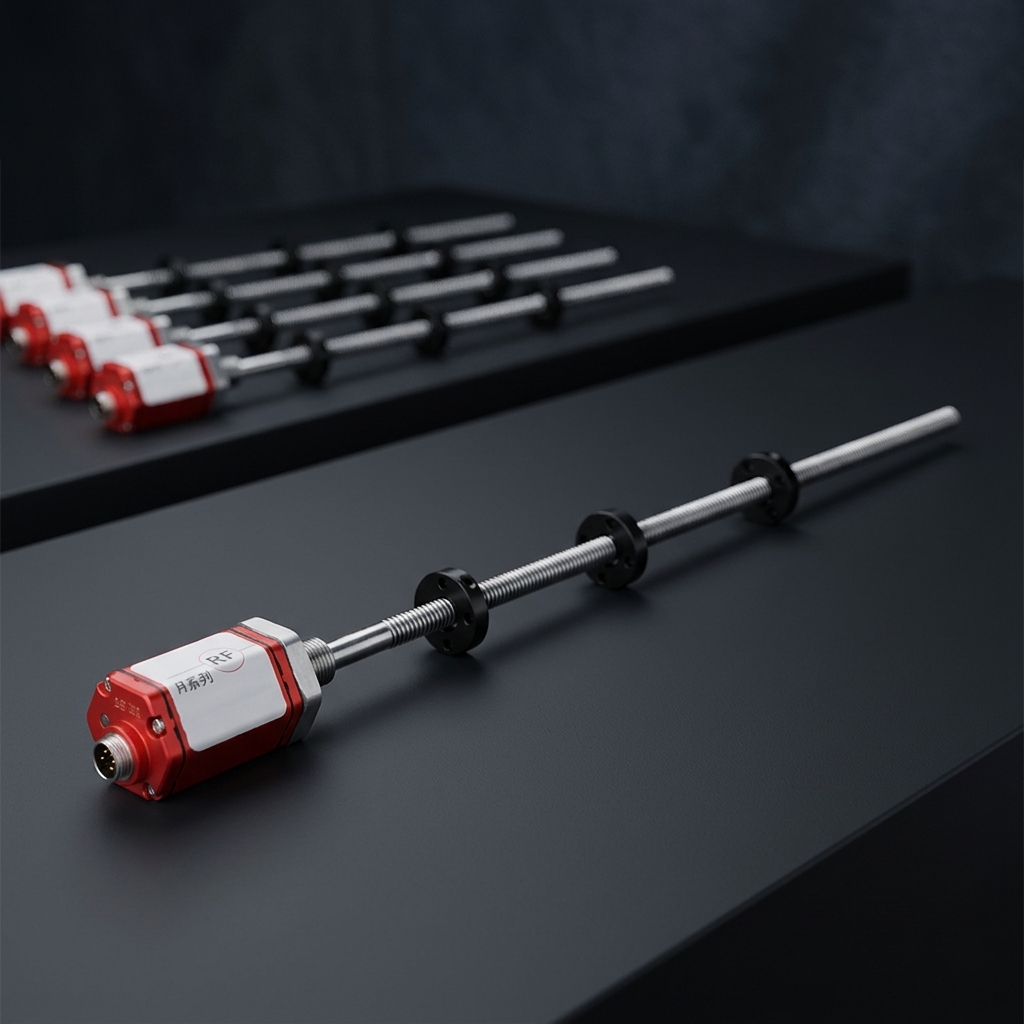
Magnetostrictive displacement sensors (often called magnetostrictive linear position sensors) provide non-contact, absolute measurement of linear position over long strokes with high accuracy and repeatability.
The working principle is based on the Wiedemann effect (a magnetostrictive phenomenon) and the time-of-flight measurement. The sensor consists of a ferromagnetic waveguide tube, a movable permanent magnet (positioned on the moving object), a strain pulse pickup coil, and an electronics module. A short current pulse is sent through the waveguide, generating a circular magnetic field around it. The magnetic field from the permanent magnet creates an axial field. At the location where these two fields intersect, a torsional strain (Wiedemann effect) occurs, producing an ultrasonic strain pulse that travels along the waveguide at a known speed. The electronics measure the time from the initial current pulse to the arrival of the reflected pulse at the pickup coil. Multiplying the time-of-flight by the speed of sound yields the precise distance from the reference point to the magnet.
Therefore, the sensor provides an absolute position reading without needing re-homing after power loss.
Magnetostrictive displacement sensors excel in harsh industrial environments. Primary applications include hydraulic and pneumatic cylinders, where they provide continuous feedback on piston position for precise motion control in injection molding machines, presses, and heavy construction equipment. They are also used in machine tools (cutting head positioning), valve position feedback, material handling systems, and rolling mills. Additionally, they appear in off-highway vehicles and renewable energy systems like wind turbine blade pitch control.
Summary
While both are critical transducers, pressure sensors convert force per unit area into electrical signals via deformation effects (piezoresistive, capacitive), finding use across automotive, medical, and industrial monitoring. Magnetostrictive displacement sensors leverage the Wiedemann effect and time-of-flight to non-contact measure linear positions absolutely, ideal for hydraulic actuators and precision machinery. Selecting the right sensor depends on whether pressure or position is the parameter of interest, as well as factors like accuracy, environment, and stroke length.