

What force sensors are commonly used in automobile industry?
What force sensors are commonly used in automobile industry?
As the "nerve endings" to perceive the physical world, the force sensor is reconstructing the underlying logic of vehicle performance and safety with micron-scale accuracy. From the engine room to the intelligent cockpit, from the production workshop to the monitoring of driving conditions, the force sensor becomes the core support of the whole life cycle of automobile manufacturing, testing and operation by converting mechanical stress into quantifiable electrical signals. This paper systematically sorts out the types of force sensors commonly used in the automobile industry:
1. Multi-axis force sensor: the "data catcher" of safety performance test.
In the automobile crash safety test, multi-axis force sensors are deployed in the neck, hands, legs and other key parts of the dummy to capture the three-dimensional force and torque data at the moment of collision in real time. Its core value lies in accurately restoring the impact mechanical environment through synchronous acquisition of multi-dimensional mechanical parameters, and providing quantitative basis for safety performance rating. For example, when simulating a rear-end collision, the sensor can simultaneously record the neck shear force and bending torque, helping engineers to optimize the design of seat headrest to reduce the risk of whipping injury.
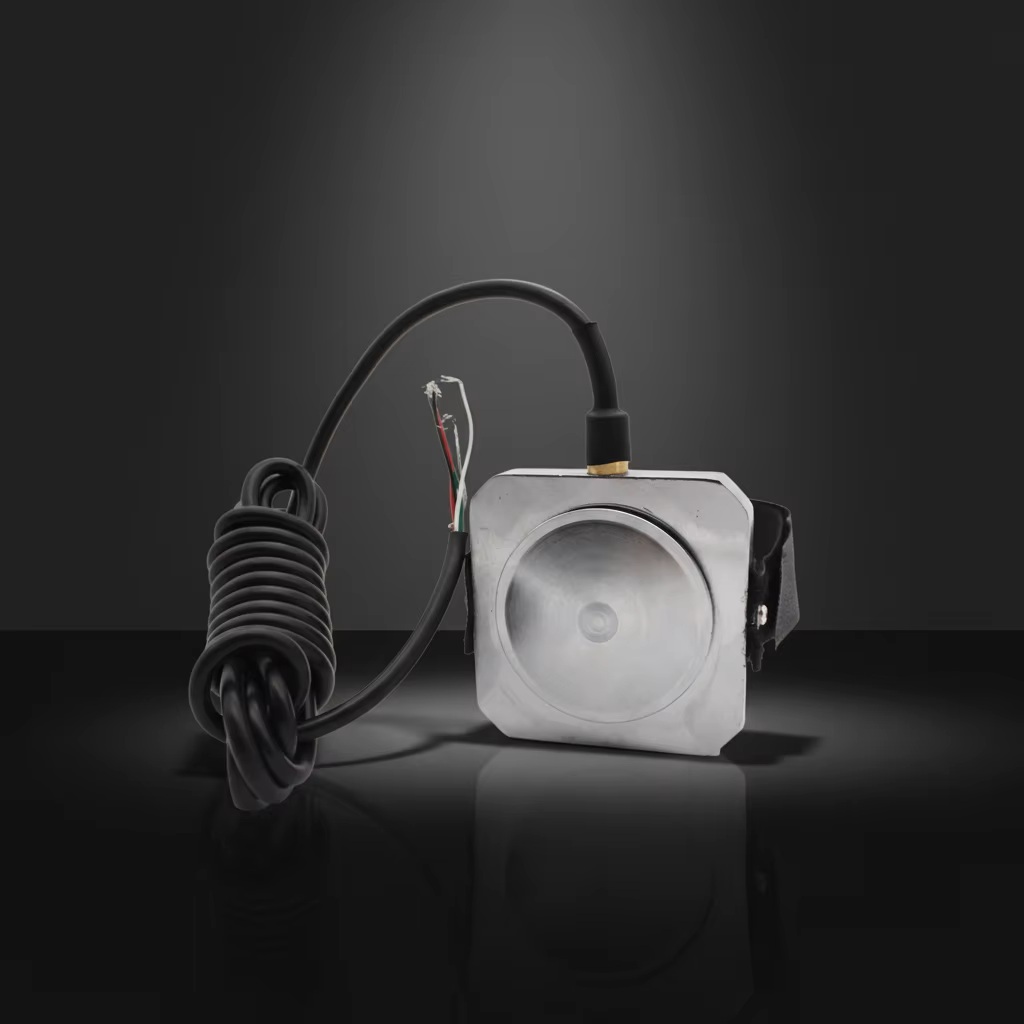
2. Micro load cell: the "micro-perceptor" of intelligent manufacturing.
In automobile manufacturing, micro load cells are embedded in stamping dies, welding mechanical arms and other equipment with millimeter size. In the stamping workshop, the thin-film dynamometer is attached to the surface of the die, and the dynamic calibration is realized through quantitative analysis of pressure distribution, so that the precision of stamping parts is improved to micron level; In the welding process, the micro-sensor integrated at the end of the mechanical arm monitors the welding axial force in real time, avoiding the false welding defects of solder joints caused by overvoltage, and ensuring the measurement stability under complex working conditions through temperature compensation technology.
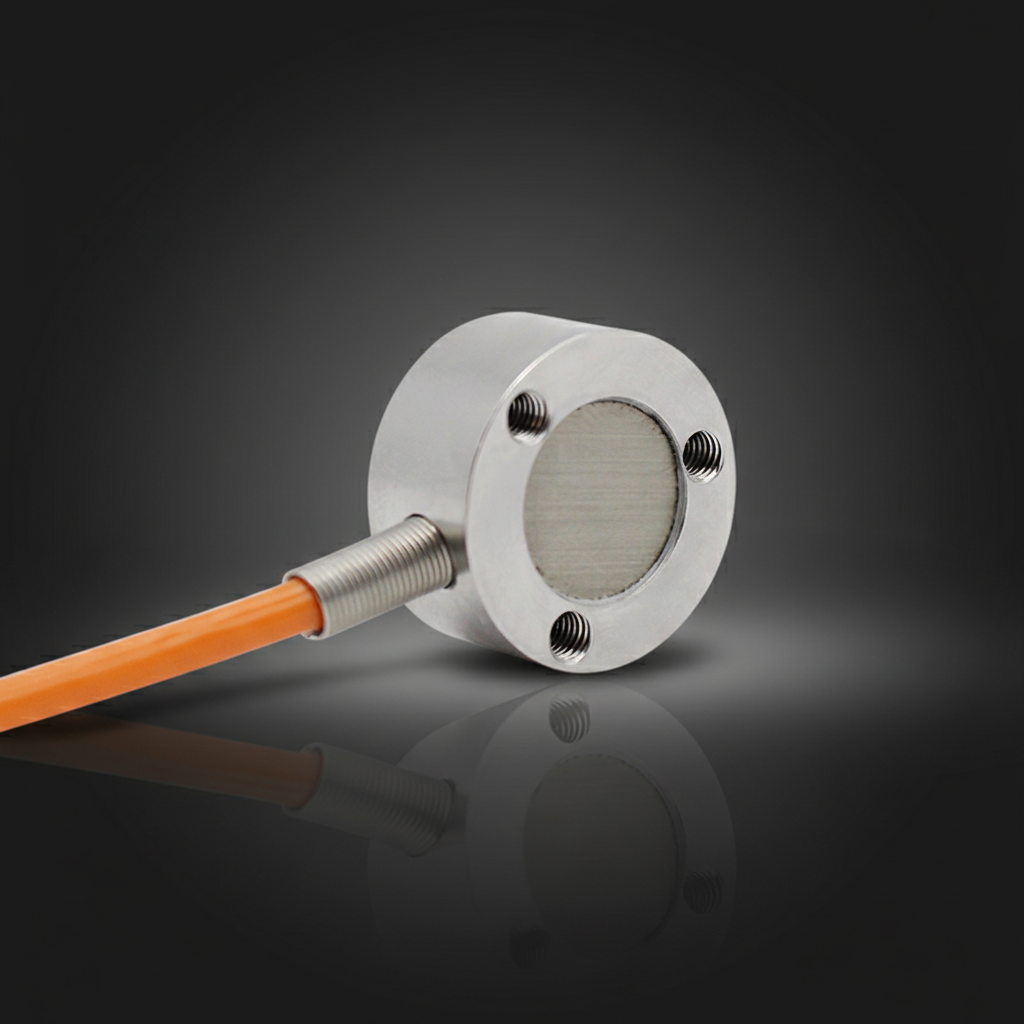
3. Six-axis force sensor: NVH optimized "vibration decoder"
Aiming at the problem of vehicle vibration and noise, a six-axis force sensor is deployed at the joint between the powertrain and the vehicle body to monitor the three-dimensional force (Fx/Fy/Fz) and the torque component (Mx/My/Mz) synchronously. By constructing the vibration transmission path model, engineers can locate the vibration source and optimize the stiffness of the suspension system. For example, in the low-frequency vibration optimization of electric vehicles, the sensor network combined with AI algorithm predicts the resonance point, guides the layout adjustment of the motor and battery pack, and reduces the noise inside the vehicle.
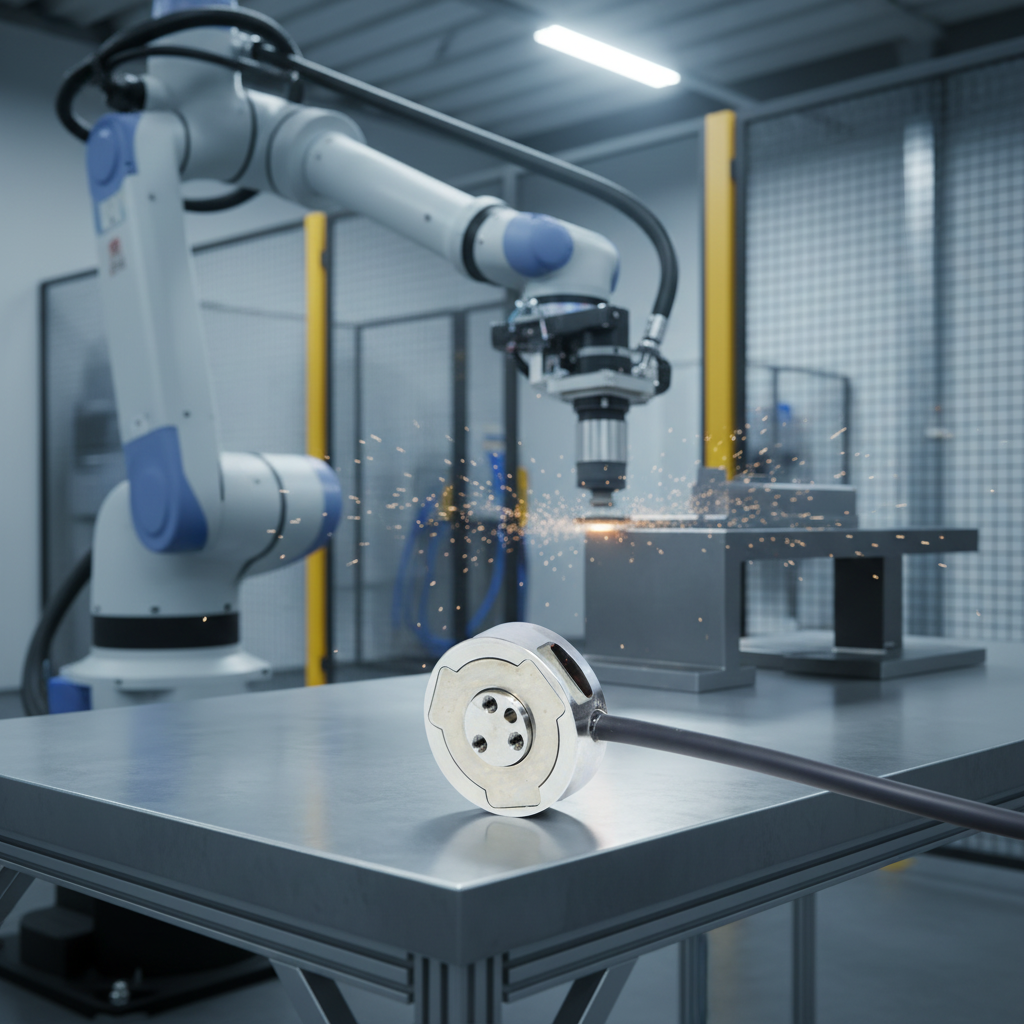
The development of automobile force sensors is showing two major trends: one is the evolution from single measurement to multi-dimensional perception, and six-axis force sensors and multi-axis sensors have become the technical commanding heights; The second is to extend from the manufacturing link to the whole life cycle, covering the whole chain of design, production, use and maintenance. With the evolution of automotive electronic and electrical architecture to centralization, the deep integration of force sensor and ECU will push vehicle dynamics control into the era of real-time optimization, and provide more accurate mechanical decision-making basis for intelligent driving.