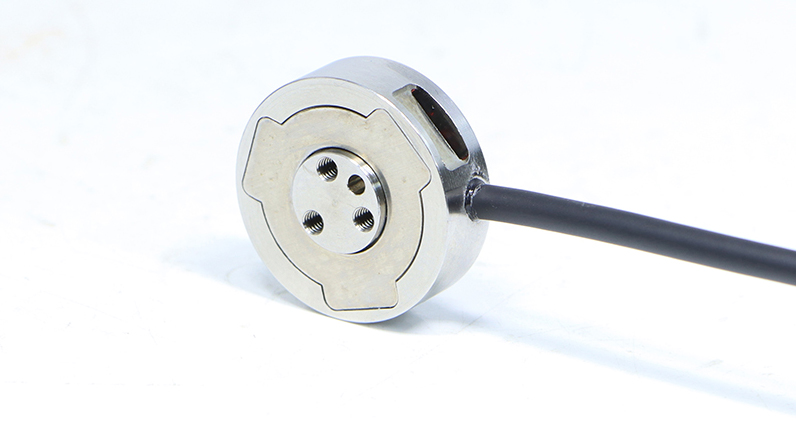

6-axis force sensor
6-axis force sensor is a kind of equipment used to ensure the application accuracy of robot. The sensor is specially designed for robot joints, and is usually installed on the wrist of a manipulator, providing accurate force measurement for all three geometric coordinates (Fx, Fy, Fz) and their surrounding moments or torques (Mx, My, Mz). Force/torque sensors are used in product testing, robot assembly, grinding, polishing and other industrial applications. In these applications, it is necessary to maintain stable position and high repeatability of trajectory.
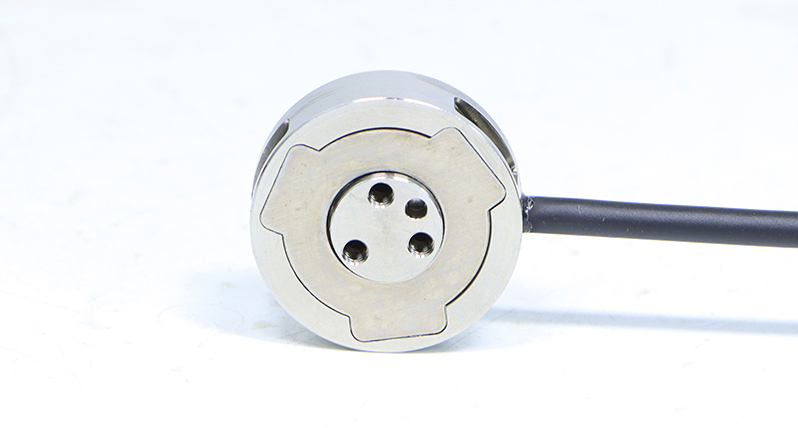
The sensor is particularly important in complex assembly operations, and the robot will encounter different problems (dislocation, adhesion, force test, etc.), and the precise motion control of the end mechanical parts (robot end effector) is very important. The six-axis force sensor allows the controller to identify the forward direction of the robot tool and improve the dexterity of the final effector. Why is it important to control the robot's grip? In some applications, it may be necessary to accurately measure and control the grasping force of the robot to ensure that fragile objects will not be crushed by the gripper (that is, semiconductor wafer processing).
Detailed introduction
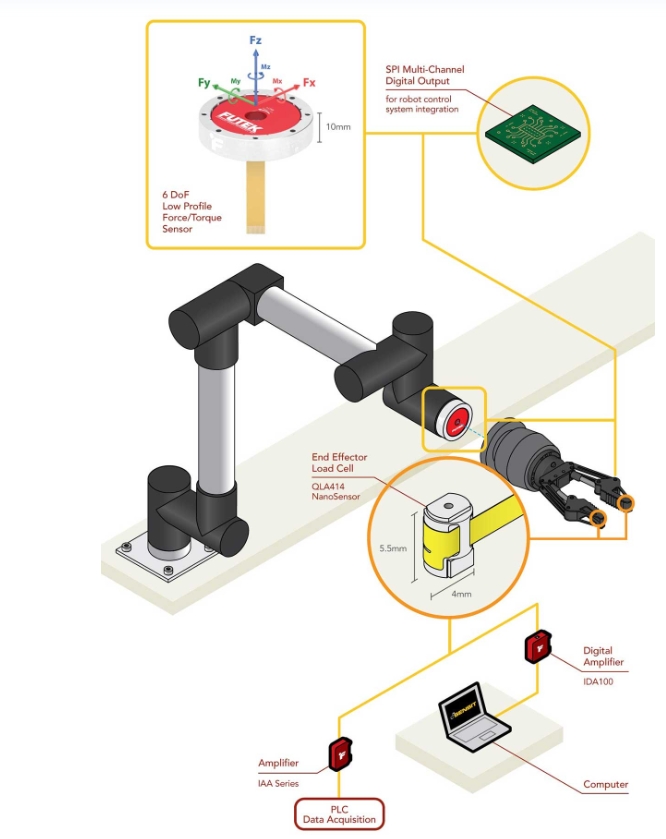
1.6 force sensors are installed on the wrist of one robot (the last joint before the final effector).
2. The 6-axis force sensor captures the force and torque output during arm movement, and then the output signal of the sensor is conditioned, amplified and digitized by USB series, IDA100 amplifier or QIA multi-channel SPI digital output amplifier.
3. Then send the signal to PLC, PC or manipulator controller to provide high-precision force/torque feedback.
4. In addition, through IDA100, the amplified output of the sensor can be monitored.
Application Area
1. Industrial robots and intelligent manufacturing
Precision assembly: adjust the strength in real time to achieve "zero damage" assembly (such as mobile phone screen assembly)
Grinding and polishing: dynamically adjust the contact force according to the surface contour
Cooperation safety: detect accidental collision and ensure the safety of man-machine cooperation.
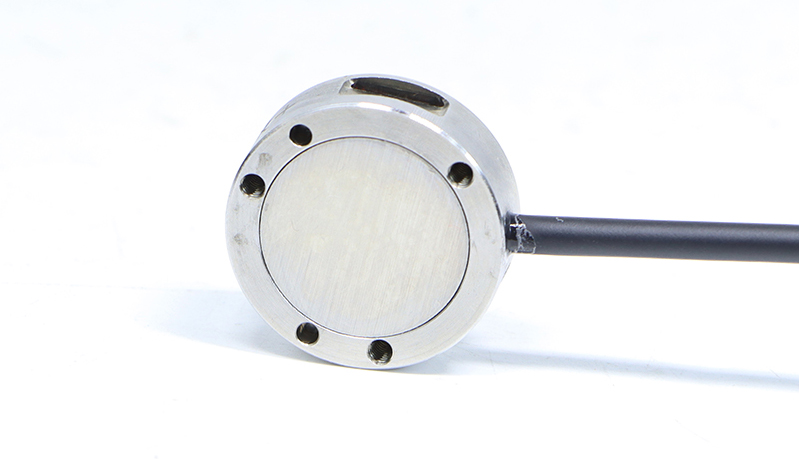
2. Humanoid robot
Installed in key parts such as wrists, ankles, dexterous hands, etc., to achieve:
Terrain perception and balance control (ankle)
Fine operation force control (wrist)
Clever grasping (hand)
3. Medical rehabilitation
Surgical Robot: Accurate Force Feedback in Neurosurgery
Rehabilitation evaluation: gait analysis and motor function evaluation. Rehabilitation Training: Force Control Assistant of Exoskeleton Robot
4. Aerospace
Aerodynamic measurement in wind tunnel test
Aircraft structural health monitoring
Satellite docking and attitude control
Six-axis force sensor is infiltrating from the core components of industrial automation to more extensive fields such as medical care and service robots, and has become the key technology to realize robot compliance control and intelligent interaction.