

Sensors: The Invisible Backbone of Modern Technology
Sensors: The Invisible Backbone of Modern Technology
Sensors are indispensable devices that convert physical, chemical, or biological stimuli into measurable electrical signals, serving as the critical interface between the physical world and digital systems. From consumer electronics to industrial automation, healthcare to environmental monitoring, these unassuming components enable the intelligence and responsiveness of countless technologies that shape modern life. Their ability to detect, measure, and transmit data in real time has transformed industries, improved quality of life, and paved the way for innovations like the Internet of Things (IoT) and smart cities.

Sensors are classified based on the type of stimulus they detect, with common categories including mechanical, optical, thermal, chemical, and biological sensors. Mechanical sensors, such as accelerometers and pressure transducers, monitor motion, force, and pressure—essential for applications ranging from smartphone screen rotation to aerospace navigation. Optical sensors, including photodiodes and image sensors, leverage light to capture visual information or measure light intensity, powering digital cameras, barcode scanners, and facial recognition systems. Thermal sensors, such as thermistors and infrared detectors, quantify temperature changes, ensuring precise control in HVAC systems, medical equipment, and industrial processes. Chemical sensors detect specific substances, from gas sensors in air quality monitors to biosensors in glucose meters, while biological sensors integrate biological elements like enzymes or antibodies to analyze biological samples for medical diagnostics and food safety.
The evolution of sensor technology has been driven by the demand for miniaturization, higher sensitivity, lower power consumption, and enhanced connectivity. Microelectromechanical systems (MEMS) have revolutionized sensor design, enabling the production of tiny, low-cost sensors that can be integrated into portable devices and wearables. Advances in nanotechnology have further improved sensor performance, with nanomaterial-based sensors offering ultra-high sensitivity to minute changes in their environment. Additionally, the integration of wireless communication capabilities has transformed standalone sensors into networked nodes, enabling data sharing and remote monitoring in IoT ecosystems. For example, in smart agriculture, soil moisture sensors transmit data to cloud platforms, allowing farmers to optimize irrigation and reduce water waste.
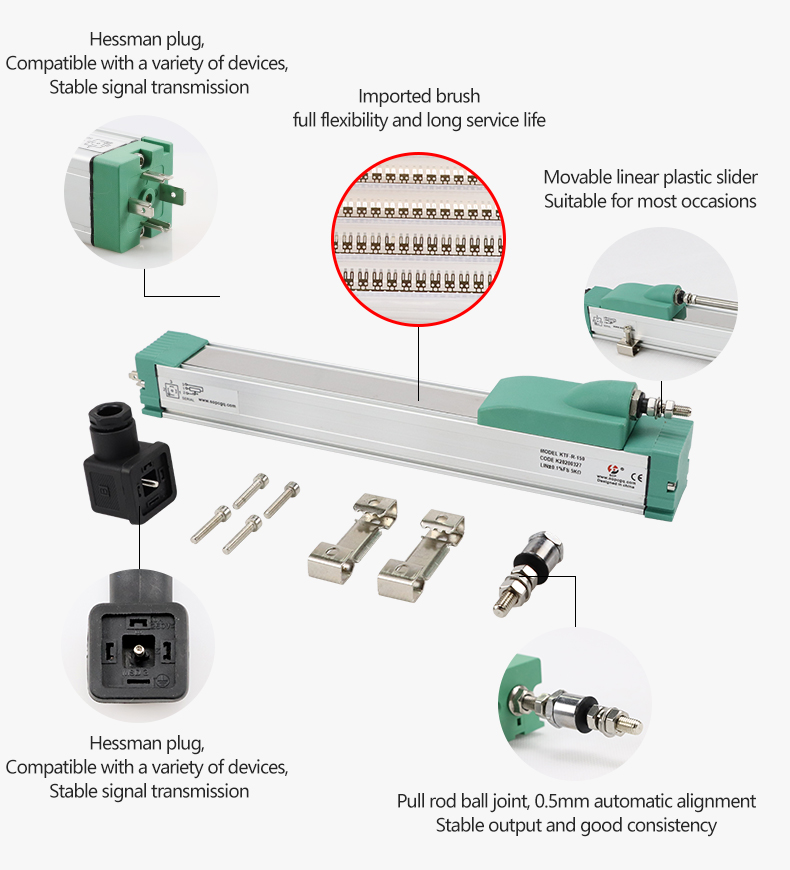
In industrial settings, sensors play a pivotal role in predictive maintenance and process optimization. Vibration sensors detect anomalies in machinery, enabling timely repairs that prevent costly downtime, while flow sensors monitor fluid movement in pipelines to ensure efficient operation. In healthcare, wearable sensors track vital signs like heart rate, blood oxygen levels, and sleep patterns, empowering individuals to manage their health proactively and enabling clinicians to deliver personalized care. Environmental sensors are equally critical, monitoring air and water quality, temperature, and humidity to support climate research and pollution control efforts.
As technology advances, the future of sensors holds immense potential. The development of self-powered sensors, leveraging energy harvesting from ambient sources like light or vibration, will reduce reliance on batteries and extend the lifespan of IoT devices. Artificial intelligence (AI) integration will enable sensors to process data locally, enhancing real-time decision-making and reducing latency. Furthermore, the emergence of flexible and stretchable sensors will open new applications in wearable technology, soft robotics, and biomedical devices.
In conclusion, sensors are the unsung heroes of modern technology, enabling connectivity, efficiency, and innovation across industries. Their continuous evolution, driven by advancements in materials science, electronics, and AI, will continue to shape a more intelligent, sustainable, and interconnected world. As the demand for data-driven solutions grows, sensors will remain at the forefront of technological progress, bridging the gap between the physical and digital realms.