

Industrial application of centrifugal fan
Industrial application of centrifugal fan
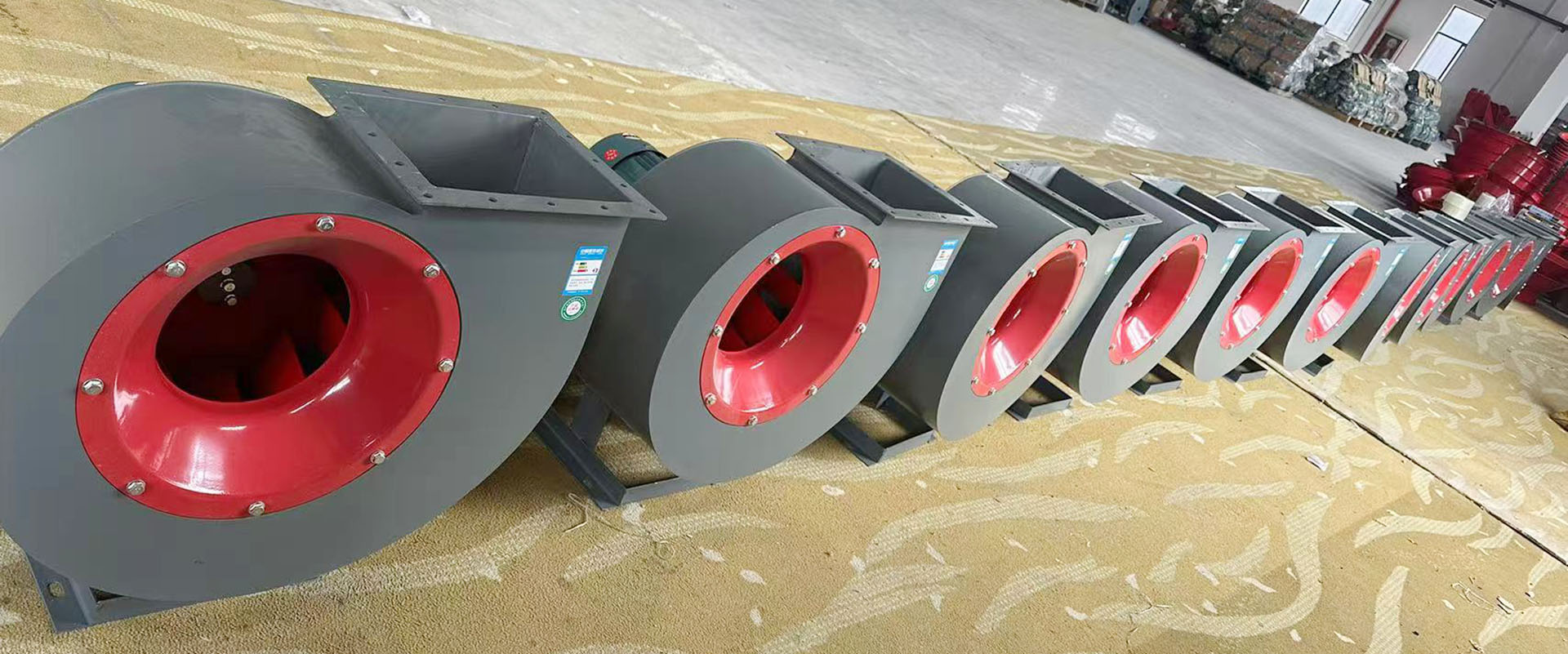
Centrifugal fans are essential mechanical devices that move air and gases by converting rotational kinetic energy into fluid energy. Unlike axial fans, they generate higher pressures by accelerating air radially outward through rotating impellers, making them suitable for applications requiring significant pressure rise and controlled airflow.
Primary Applications
Centrifugal fans dominate commercial and residential climate control:
Air Handling Units (AHUs): Supply and return air distribution in office buildings, hospitals, and shopping centers
Exhaust Systems: Kitchen ventilation, restroom exhaust, and parking garage ventilation
Clean Rooms: Precision airflow control for semiconductor manufacturing and pharmaceutical production
Material Handling
• Pneumatic Conveying: Transport powders, granules, and bulk solids through pipeline systems
• Dust Collection: Provide suction for baghouse filters and cyclone separators
• Woodworking: Chip extraction and sawdust collection systems
Drying and Cooling
• Grain Drying: Force heated air through deep grain beds in agricultural facilities
• Industrial Cooling: Process cooling and equipment temperature control
Environmental and Safety Systems
• Wastewater Treatment: Aeration blowers for biological treatment processes
• Mine Ventilation: Primary and auxiliary ventilation for underground operations
Smoke Control: Stairwell pressurization and smoke exhaust in fire safety systems
Specialized Applications
Marine Engineering: Engine room ventilation and cargo hold ventilation on ships
Automotive: Paint booth ventilation and drying ovens
Food Processing: Drying, cooling, and pneumatic conveying of food products
Selection Considerations
Centrifugal fans serve as critical infrastructure across diverse sectors, from comfortable indoor environments to heavy industrial processes. Their ability to deliver high pressures, handle various media, and operate reliably under demanding conditions ensures their continued importance in modern engineering applications. Proper selection based on specific performance requirements remains essential for optimizing energy efficiency and operational reliability.