
In-Depth Expansion of Weighing Sensor Technology: From Core Principles to Future Frontiers
In-Depth Expansion of Weighing Sensor Technology: From Core Principles to Future Frontiers
Beyond traditional classifications and applications, the depth and breadth of weighing sensor technology continue to expand. The evolution of its core technologies and emerging application scenarios jointly sketch a richer industrial landscape.
Deepening Development of the Technological Core
The advancement of modern weighing sensors extends far beyond basic principles. Their core performance depends on the integration of multiple precision technologies: progress in elastomer materials science, such as the use of aerospace-grade aluminum alloys or special stainless steels, optimizes structural strength and strain response; innovations in strain gauge technology and bonding processes, including photolithographic thin-film techniques, greatly enhance long-term stability, and resistance to creep and temperature drift; intelligent compensation and digitization are becoming trends, with built-in microprocessors enabling real-time software compensation for nonlinearity, hysteresis, and temperature effects. Standardized data is output directly through digital interfaces (e.g., RS485, CAN bus, Ethernet), significantly improving system integration and anti-interference capabilities. Furthermore, passive wireless sensors and Micro-Electro-Mechanical Systems (MEMS)-based micro-sensors are opening up new possibilities for monitoring in special environments (e.g., rotating equipment, implantable medical devices).
Emerging and Niche Application Scenarios
Beyond known industrial and commercial fields, weighing sensor technology is permeating more innovative layers:
1. Process Safety and Predictive Maintenance: In heavy machinery (e.g., cranes, excavators), load and counterweight monitoring sensors are lifelines for preventing overload-related tipping. Simultaneously, continuous monitoring of mass changes in reactors, storage tanks, and other vessels enables process control and safety warnings.
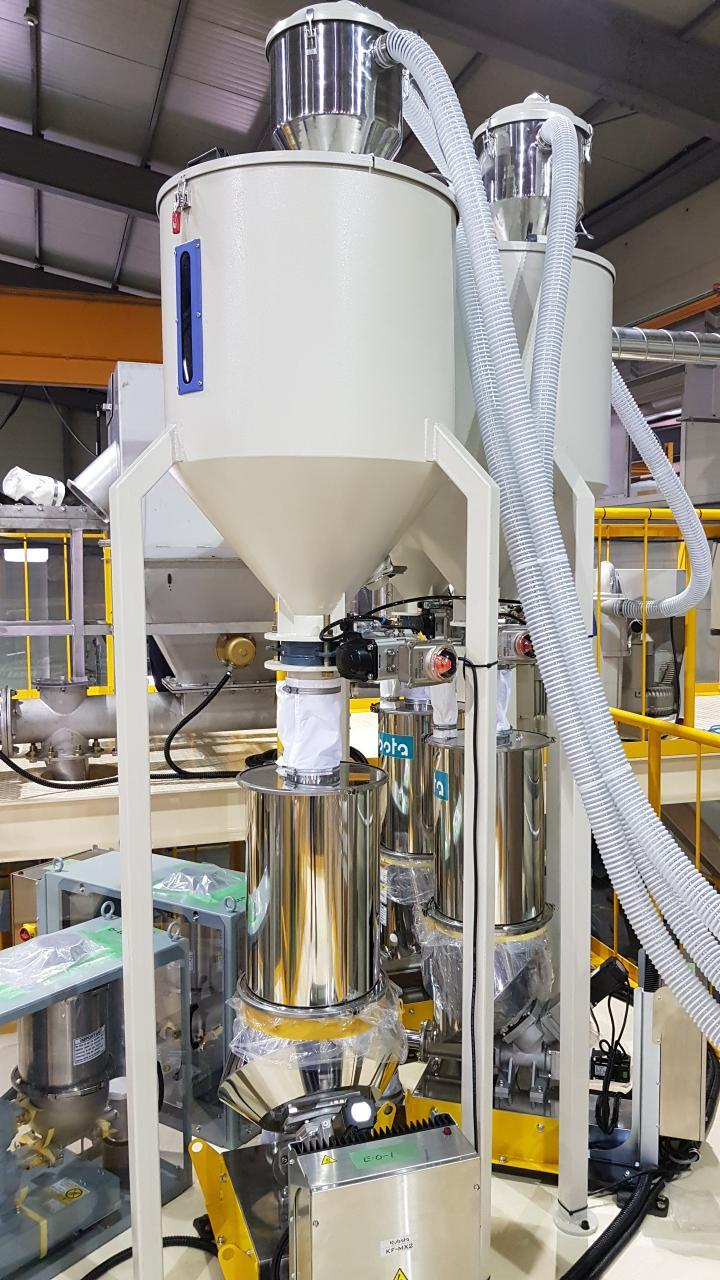
2.Smart Agriculture and Livestock Farming: Automated weighing platforms for individual animals monitor growth conditions, and silo weighing systems enable precise management of feed distribution, transforming weighing from a result-measurement tool into a process management instrument.
3.New Energy and Power Systems: In electric vehicle battery pack production lines, high-precision sensors ensure absolute accuracy in electrolyte filling volume. Weight distribution measurement of battery modules is also crucial for overall vehicle safety and performance optimization.
4.Aerospace and High-End Manufacturing: Tasks such as aircraft load balancing, satellite fuel loading, and engine thrust testing pose peak challenges for sensor accuracy, reliability, and environmental adaptability in extreme conditions.
5.Consumer and Interactive Experience: Integrated into smart fitness equipment (e.g., treadmills, exercise bikes) to monitor user weight changes and force distribution in real-time, providing personalized exercise guidance.
6.Selection and Future Trends
Selecting the appropriate sensor requires comprehensive consideration of factors like measurement range, accuracy, rated output, nonlinearity, hysteresis, creep, temperature effects, protection rating (IP rating), and installation method (tension, compression, beam-type, etc.). In the future, the development of weighing sensors will become more closely integrated with the Internet of Things (IoT) and Artificial Intelligence (AI), achieving a leap from "perceiving weight" to "understanding the meaning behind weight changes." For example, by analyzing dynamic weight change data on shelves, AI can predict supermarket restocking needs; analyzing continuous weight data streams from factory raw material bins can enable precise supply chain optimization.
From microscopic particles to macroscopic logistics, weighing sensors, as one of the bridges connecting the physical and digital worlds, are continuously reshaping how we measure, control, and manage the material world through the ongoing evolution of their technological substance and application reach.