

Linear Sensors: The Backbone of Precision Measurement
Linear Sensors: The Backbone of Precision Measurement
Linear sensors, also known as linear position sensors, are pivotal components in various applications requiring high-precision measurement of linear displacement. These sensors convert linear motion into electrical signals, enabling accurate tracking and control in industries ranging from automotive to robotics. This article delves into the key aspects of linear sensors, including their structure, types, and applications.
1. Core Structure and Functionality
Linear sensors typically utilize an encoder mechanism to measure linear position. The encoder generates a signal proportional to the displacement, which is then processed to provide precise measurement data. This technology ensures high resolution and accuracy, making it suitable for demanding applications. Unlike traditional gear or toothed systems, linear sensors offer a more flexible and easier-to-install solution, with various interface options to accommodate different setups
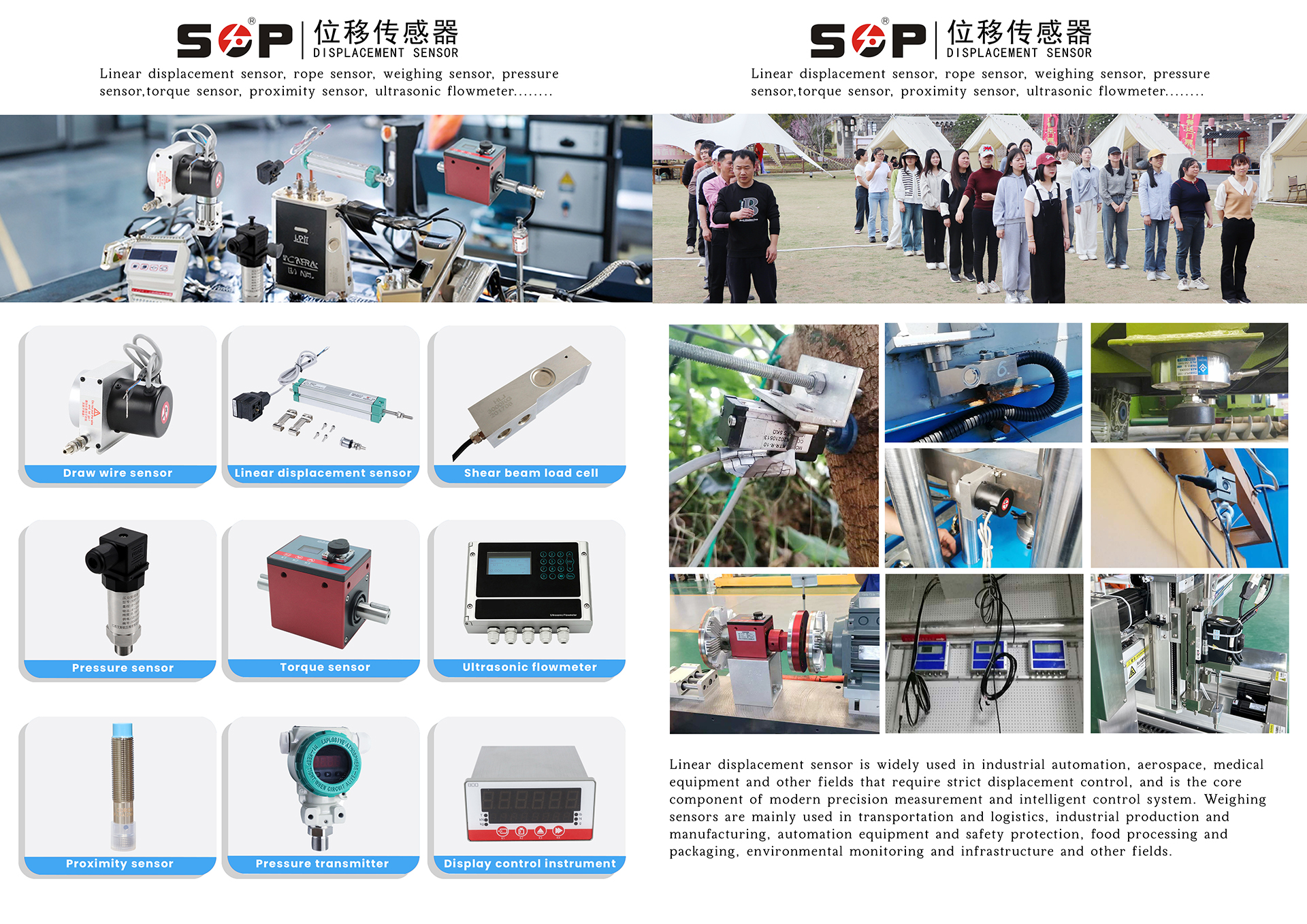
Pull Wire Sensors : Utilize a linear wire embedded within the sensor, with the encoder detecting the movement of the wire to measure displacement.
Rotary Encoders : Commonly used in robotics and automation, these sensors convert rotational motion into linear displacement data.
Optical Linear Sensors : Employ laser or photodetectors to measure linear movement with high sensitivity and accuracy.
3. Key Features
High Resolution : Capable of detecting minute movements, often with resolutions in the micrometer range.
Wide Range of Applications : Suitable for automotive steering systems, industrial machinery, robotics, and precision positioning.
Ease of Installation : Compared to traditional systems, linear sensors require less complex assembly and offer more flexible configurations.
Digital Output : Provide digital signals for integration with control systems, enhancing system reliability and data processing capabilities.
4. Applications
Automotive : Used in steering angle sensors, wheel speed sensors, and suspension control systems.
Industrial Automation : Employed in machine tools for precise positioning and monitoring.2
Robotics : Critical for joint position tracking and navigation.
Medical Devices : Used in imaging systems and surgical instruments requiring high accuracy.2
In conclusion, linear sensors are indispensable for applications demanding precise measurement of linear displacement. Their robust design, high accuracy, and versatility make them a cornerstone in modern technology, enabling advancements across various fields.
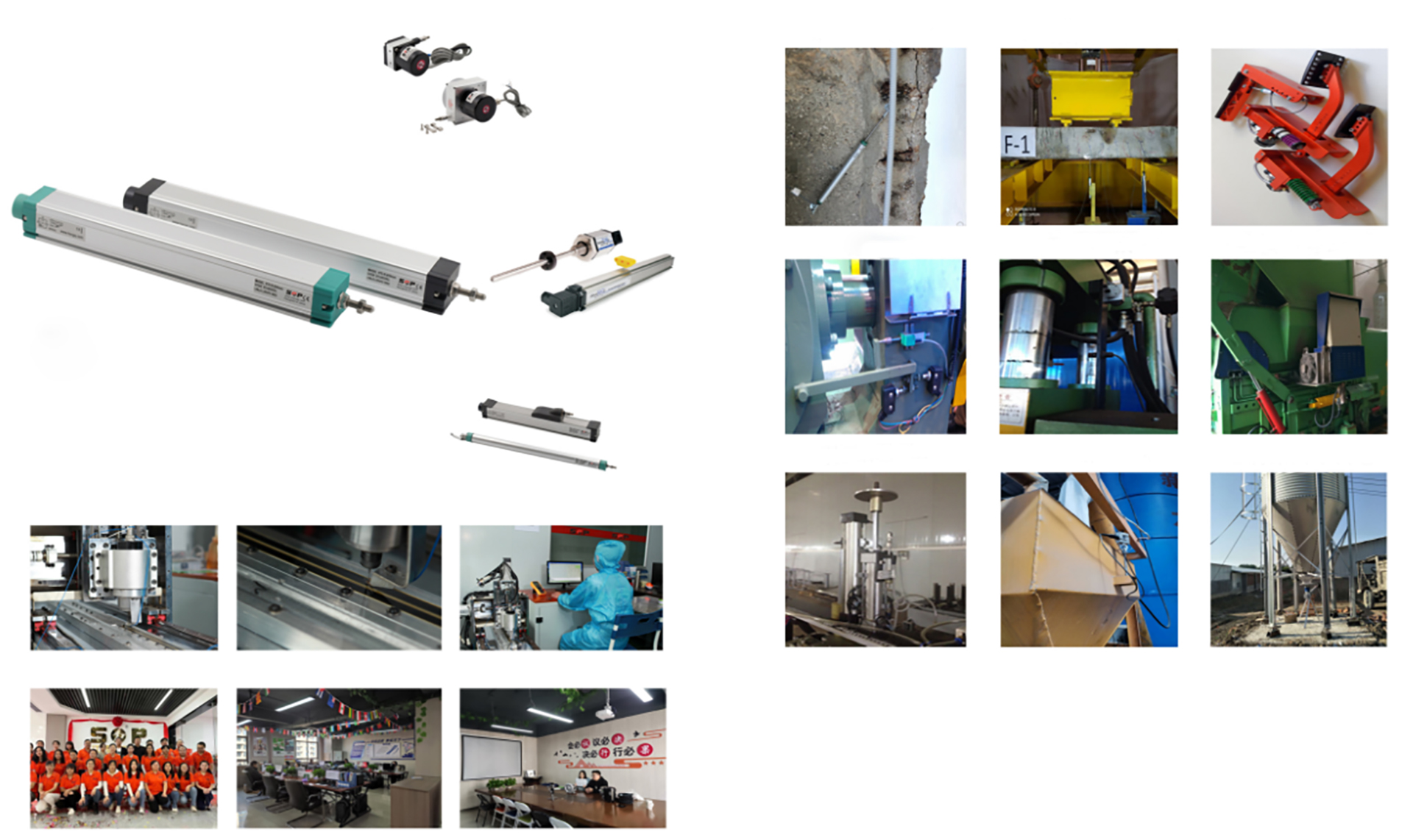
Linear Sensors: Precision in Linear Motion Detection
Linear sensors are specialized electronic devices designed to measure and convert linear displacement, position, or motion into electrical signals, playing an indispensable role in industrial automation, robotics, and precision manufacturing. Unlike rotational sensors that track angular movement, linear sensors focus on straight-line motion, delivering high accuracy and real-time data for critical system operations.
There are several common types of linear sensors, each tailored to specific application needs. Linear variable differential transformers (LVDTs) are widely used for their exceptional precision and durability, operating on the principle of electromagnetic induction to detect minute displacements even in harsh environments. Potentiometric linear sensors, on the other hand, work by changing resistance as a wiper moves along a resistive element, offering a cost-effective solution for applications where extreme precision is not a primary requirement. Additionally, optical linear sensors utilize light beams and photodetectors to measure position, boasting non-contact operation that eliminates wear and tear, thus extending service life.
The core advantage of linear sensors lies in their ability to provide continuous, high-resolution measurements. In automated production lines, for instance, they ensure robotic arms move to exact positions, reducing product defects and improving production efficiency. In automotive engineering, linear sensors monitor the position of throttle valves and brake pedals, contributing to vehicle safety and performance. They are also crucial in medical equipment, where precise linear motion control is essential for diagnostic tools and surgical robots.
As technology advances, modern linear sensors are becoming smaller, more energy-efficient, and capable of integrating with digital systems seamlessly. This evolution enables smarter data analysis and remote monitoring, further expanding their application scope across various industries. In essence, linear sensors are the unsung heroes behind countless precision-driven processes, bridging the gap between physical motion and digital control.