

Overview of SOP Package Linear Sensors: Classifications, Advantages and Application Scenarios
Overview of SOP Package Linear Sensors: Classifications, Advantages and Application Scenarios
With the rapid miniaturization and intelligent upgrading of modern electronic and industrial equipment, high-precision, compact and low-power sensing components have become core supports for industrial control, consumer electronics and intelligent manufacturing. SOP (Small Outline Package) linear sensors are a mainstream type of linear position and displacement sensing devices. Adopting standard surface-mount SOP packaging technology, they can continuously convert linear physical displacement, position changes and motion strokes into standardized analog or digital electrical signals. Featuring consistent linear output, high integration and excellent environmental adaptability, these sensors are widely applied in precision measurement and automatic control scenarios that require compact installation and stable real-time feedback.
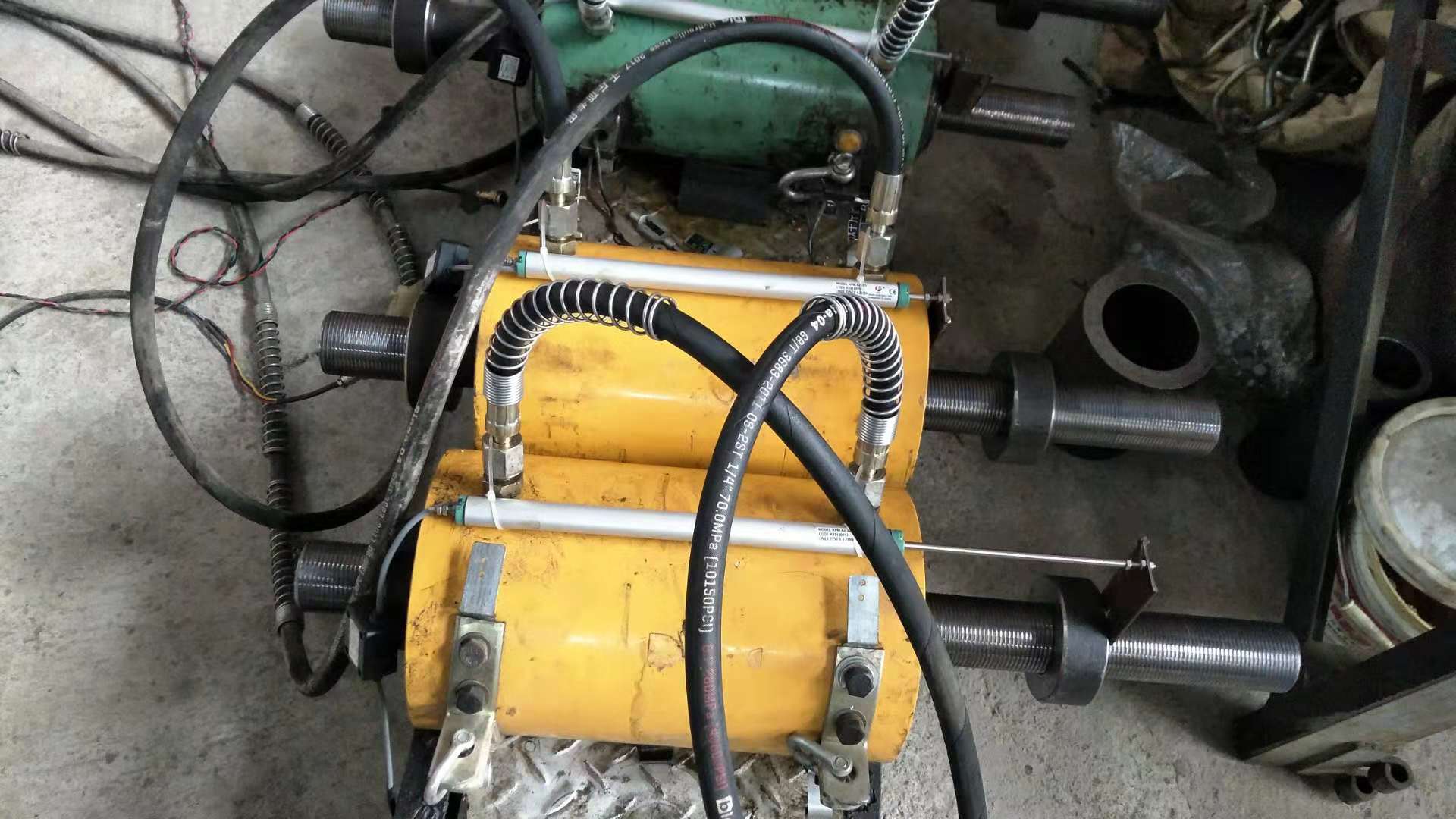
1. Product Classifications of SOP Linear Sensors
SOP linear sensors are classified mainly based on working principles, signal output modes and functional characteristics, covering multiple series to meet differentiated industrial and civil application demands. The mainstream classifications are as follows:
1.1 Classification by Working Principle
First, magnetic linear Hall sensors are the most widely used SOP linear sensors in the market. They adopt non-contact Hall induction technology, relying on magnetic field changes to capture linear displacement signals, with no mechanical wear during operation. Second, resistive linear sensors feature a simple working principle, converting mechanical stroke changes into resistance variations and then outputting linear voltage signals, which are cost-effective and suitable for low and medium precision scenarios. Third, magnetostrictive linear sensors packaged in SOP are optimized for miniaturization, achieving high-precision long-stroke linear measurement through magnetostrictive effect, and are applicable to high-precision industrial detection scenarios.
1.2 Classification by Signal Output Mode
In terms of output types, SOP linear sensors are divided into analog output and digital output models. Analog output sensors mainly provide 0-5V, 0-10V or 4-20mA standard linear signals, which are compatible with most industrial PLC and acquisition systems. Digital output sensors support IO-Link, PWM and SENT communication protocols, realizing digital, anti-interference and long-distance signal transmission, and are convenient for intelligent equipment data interaction and system networking.
1.3 Classification by Measurement Stroke
According to effective measurement strokes, products are divided into short-stroke (0-50mm), medium-stroke (50-200mm) and long-stroke (above 200mm) SOP linear sensors. Short-stroke models are suitable for compact precision equipment such as micro actuators and instrument adjustment structures, while medium and long-stroke products are mostly used in mechanical arms, lifting equipment and hydraulic cylinder stroke detection scenarios.
2. Core Advantages of SOP Linear Sensors
Compared with traditional plug-in linear sensors and large-scale displacement sensors, SOP packaged linear sensors have prominent comprehensive advantages in structural design, performance indicators and application adaptability, making them the preferred sensing components for miniaturized intelligent equipment.
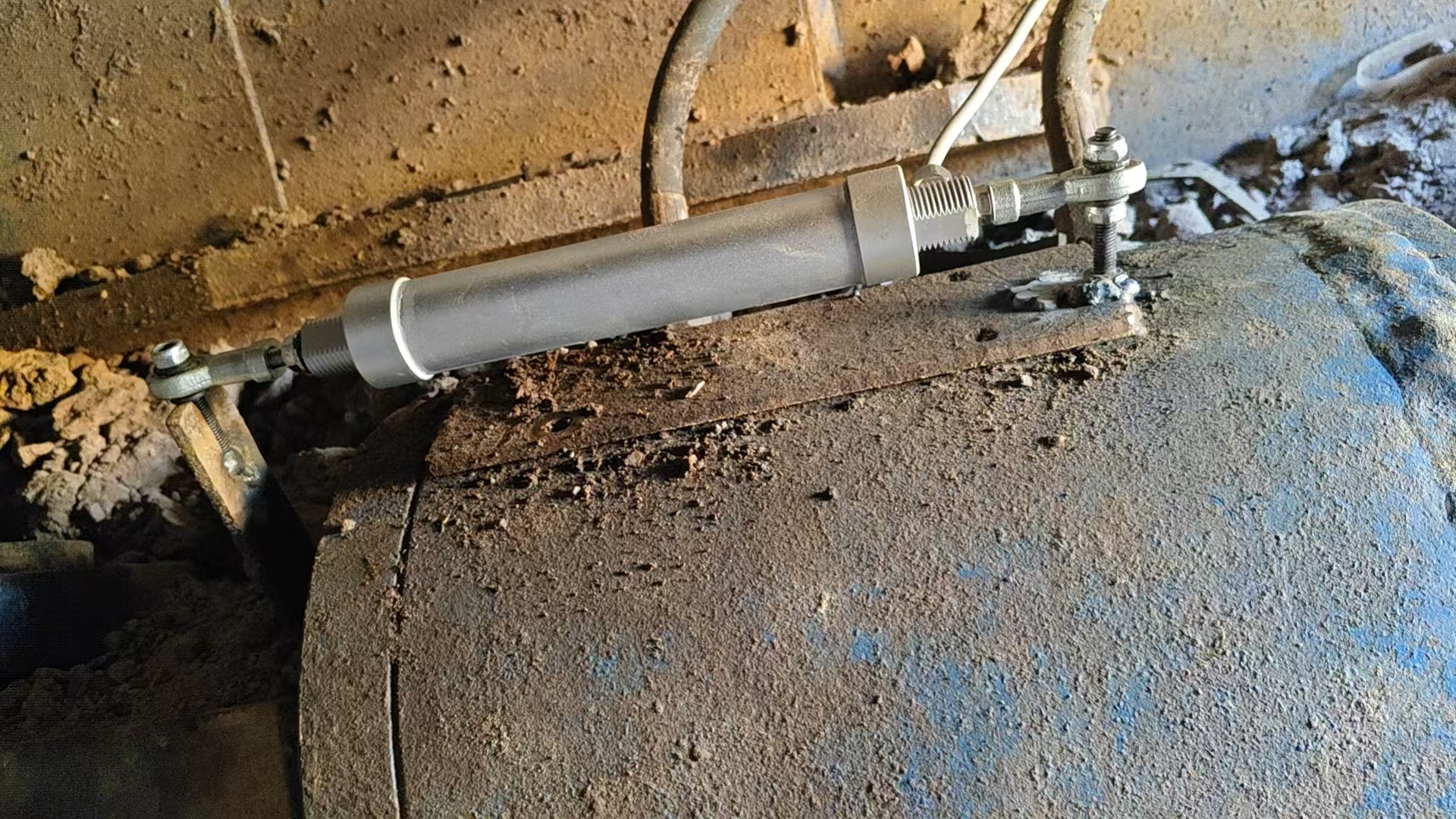
2.1 Miniaturized Packaging and Easy Installation
Adopting standard SOP surface-mount packaging, the sensors feature ultra-compact size and lightweight design, which greatly saves the installation space of equipment. They are compatible with automatic SMT patch production processes, realizing efficient batch welding and assembly, effectively reducing manual installation costs and improving production efficiency. This advantage perfectly matches the miniaturization and integration development trend of modern electronic equipment.
2.2 High Linear Precision and Stable Sensing Performance
Optimized internal circuit and induction structure design enables SOP linear sensors to achieve excellent linearity, with the linear error controlled within ±1% or even lower for high-precision models. The non-contact working mode of magnetic and magnetostrictive products avoids mechanical friction and wear, ensuring long-term consistent output accuracy. Moreover, the sensors support real-time continuous sampling, with fast response speed and no signal delay, meeting the high-frequency dynamic detection demands of automatic control systems.
2.3 Strong Environmental Adaptability and Long Service Life
Professional waterproof, dustproof and anti-vibration structural design enables the sensors to adapt to harsh working environments such as high vibration, high humidity and dust pollution. They have stable temperature resistance, with small performance fluctuation in a wide temperature range, avoiding measurement deviation caused by environmental changes. With a service