

Sensors: The Invisible Foundation of Modern Life
Sensors: The Invisible Foundation of Modern Life
Sensors are essential devices that detect physical or environmental changes and convert them into measurable electrical signals. They act as the “electronic senses” of modern technology, bridging the real world and digital systems. Without sensors, most smart devices, automated equipment, and advanced technologies would not work.
A sensor works by responding to stimuli such as temperature, light, pressure, motion, humidity, sound, or chemical substances. Common types include temperature sensors, pressure sensors, proximity sensors, motion sensors, and optical sensors. Each type is designed for specific scenarios, ensuring accuracy, sensitivity, and stability in measurement.
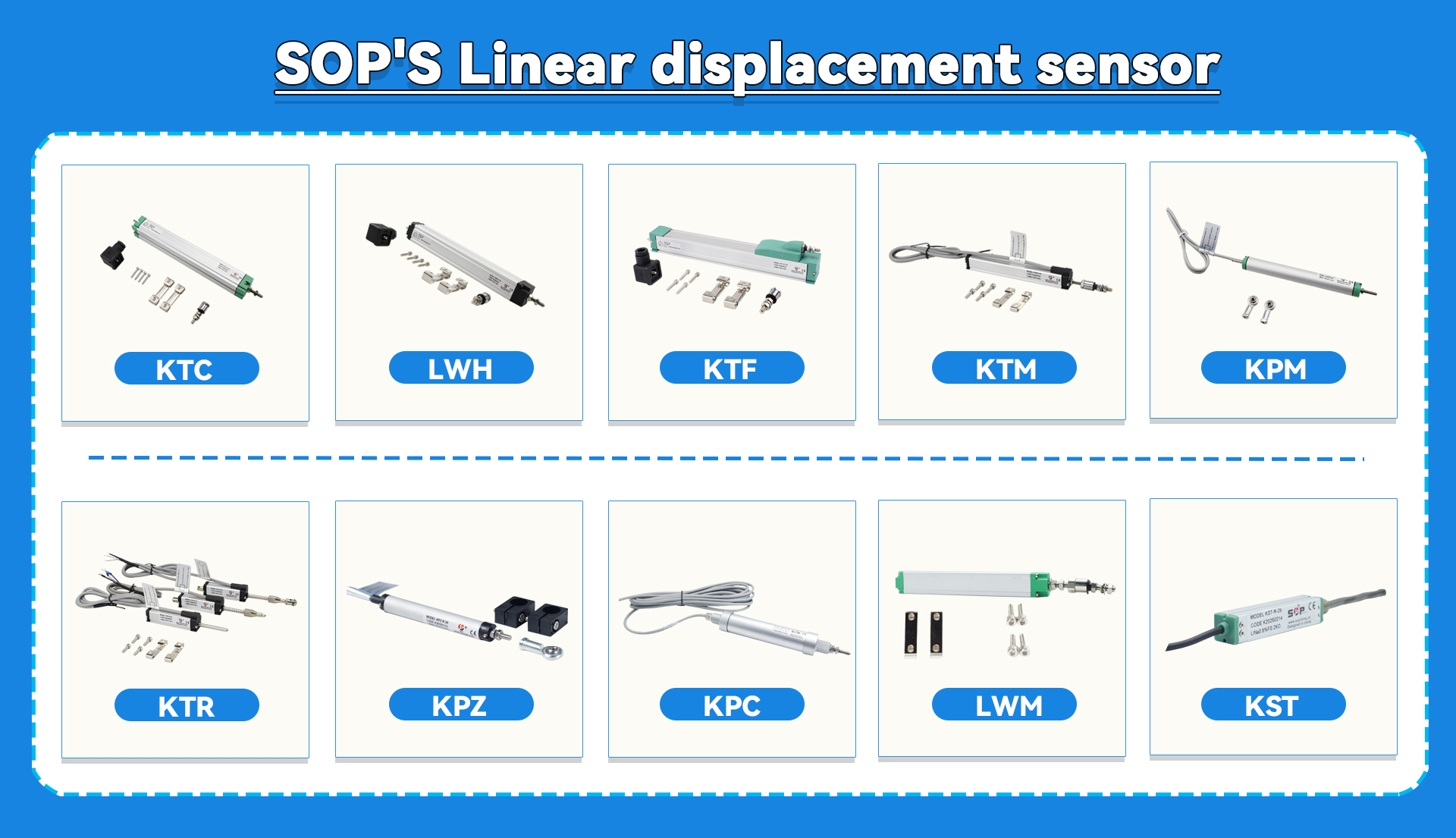
In daily life, sensors are everywhere. Smartphones use light sensors to adjust screen brightness, fingerprint sensors for security, and gyroscopes for motion tracking. Smart homes rely on infrared sensors, gas sensors, and temperature sensors to control lighting, air conditioning, and safety alarms. Wearable health devices use heart-rate and biosensors to monitor physical conditions in real time, helping people stay healthy.
In industry and transportation, sensors play a critical role. Factory automation uses pressure and position sensors to control assembly lines, improving efficiency and safety. In cars, anti-lock braking systems, airbags, and parking assistance all depend on speed and distance sensors. Drones and robots use visual and ultrasonic sensors to navigate and avoid obstacles.
Sensors also support environmental protection and healthcare. Air-quality sensors detect pollutants to support emission control. In hospitals, medical sensors monitor vital signs and enable precise diagnosis. With the development of the Internet of Things (IoT), small, low-power, and high-performance sensors are widely used in smart cities, agriculture, and disaster monitoring.
Modern sensor technology is moving toward miniaturization, intelligence, and flexibility. MEMS sensors are tiny and energy-saving, while flexible sensors fit curved surfaces for wearable and medical uses. Smart sensors integrate processing chips to analyze data locally, reducing delay and power use.
In conclusion, sensors are the invisible backbone of the digital age. They make devices smarter, life more convenient, production more efficient, and the environment safer. As technology advances, sensors will continue to innovate and create a more intelligent and connected world.
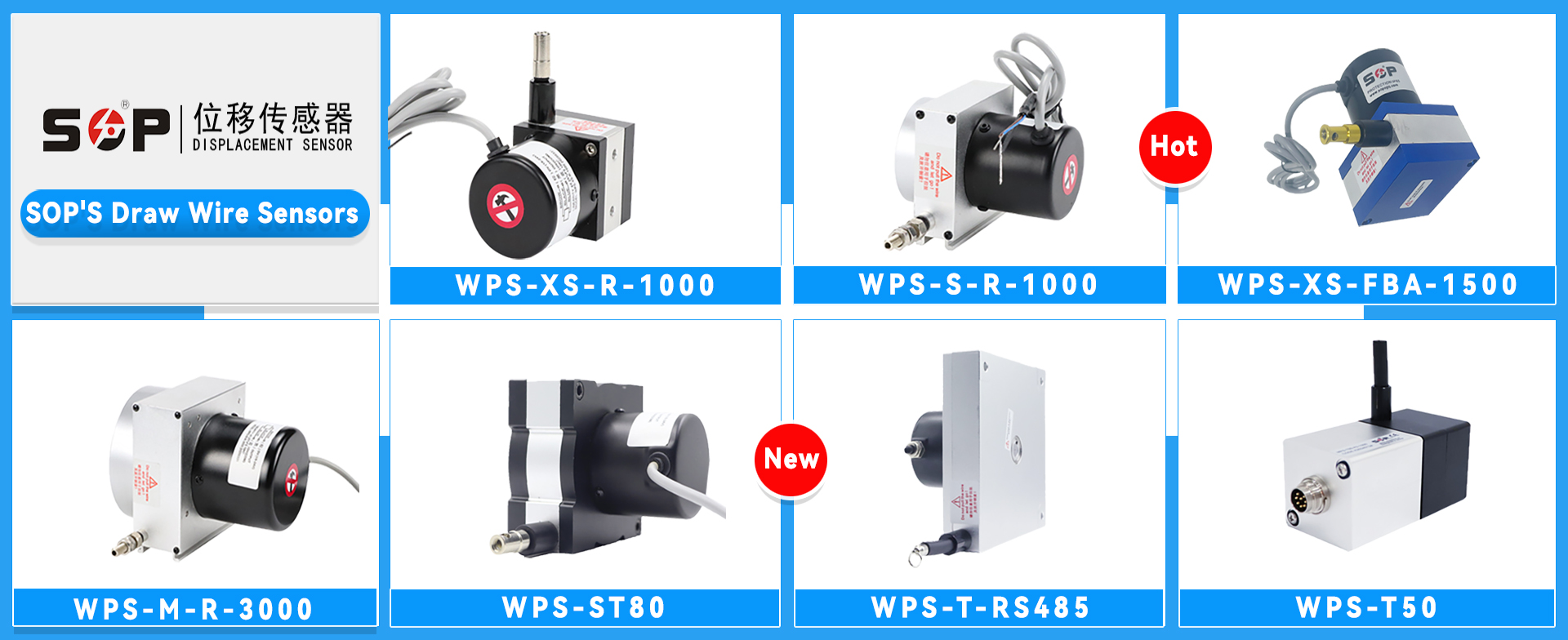
Linear Sensors
Linear sensors are a key type of detection device designed to measure linear displacement, position or distance accurately. Unlike ordinary sensors, their output signal changes proportionally with the measured physical quantity, which guarantees stable and reliable data.
These sensors come in various common forms, such as linear potentiometers and magnetic linear sensors. They feature simple structure, high precision and strong anti-interference ability, so they can work well in complex environments.
Linear sensors are widely applied in many fields. In industrial automation, they monitor the movement of machine parts to control production processes. They are also used in intelligent vehicles, precision instruments and smart home equipment to detect real-time position changes.
With the development of intelligent manufacturing, linear sensors are becoming smaller and more efficient. They keep providing accurate data support for modern equipment and play an irreplaceable role in industrial progress and daily technological applications.
More information,welcome to contact with us any time!