

Influencing factors of air volume and pressure of high pressure blower
Influencing factors of air volume and pressure of high pressure blower
High-pressure blower is widely used in industrial production, environmental protection treatment and many other fields, and the stable output of its air volume and pressure is very important for the normal operation of equipment. However, the air volume and pressure are not fixed and will be affected by many factors. Understanding these factors will help to better use and maintain the high-pressure ring blower and ensure its stable performance.
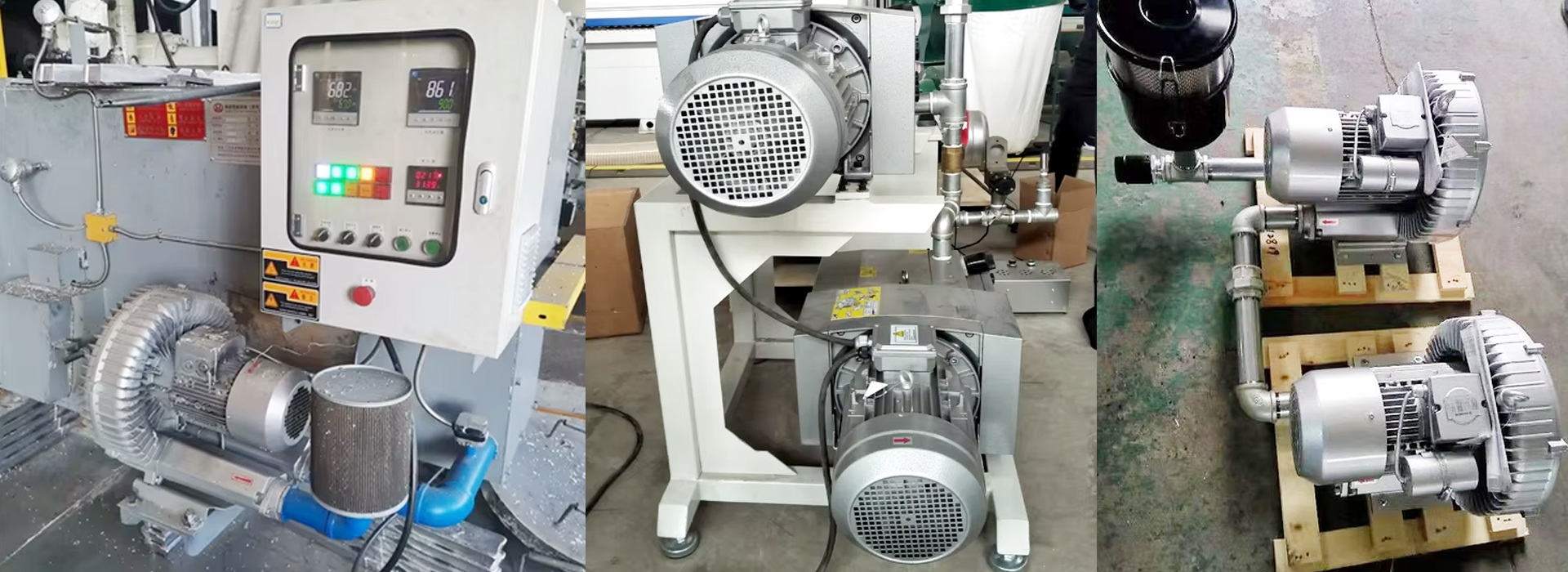
The structural parameters of the fan itself are the basic factors affecting the air volume and pressure. Impeller is the core component of high-pressure blower, and its diameter, number and shape of blades have a direct effect on air volume and pressure. Generally speaking, the larger the diameter of the impeller, the more air is pushed per unit time at the same speed, and the greater the air volume; At the same time, the larger impeller diameter can also produce higher wind pressure. Increasing the number of blades can enhance the force on the air and help to increase the wind pressure, but too many blades may increase the air flow resistance and lead to a decrease in air volume. Blade shape can not be ignored. Different shapes of blades guide and accelerate the air differently. Forward-leaning blades are beneficial to improve the air volume, while backward-leaning blades perform better in improving the wind pressure.
The rotational speed of the fan is also a key factor affecting the air volume and pressure. Under other conditions unchanged, the speed of high-pressure air blower is positively correlated with the air volume and pressure. The higher the rotating speed, the faster the impeller rotates, and the amount of air driven per unit time increases, and the air volume increases accordingly; At the same time, the air is subjected to greater centrifugal force and kinetic energy, resulting in higher wind pressure. However, the higher the speed, the better. Too high a speed will aggravate the mechanical wear of the fan, shorten the service life of the equipment, and may also cause problems such as vibration and noise. Therefore, in practical use, it is necessary to set the rotating speed reasonably according to the design parameters and working conditions of the equipment. Operating conditions have a significant impact on the air volume and pressure of high-pressure blowers.
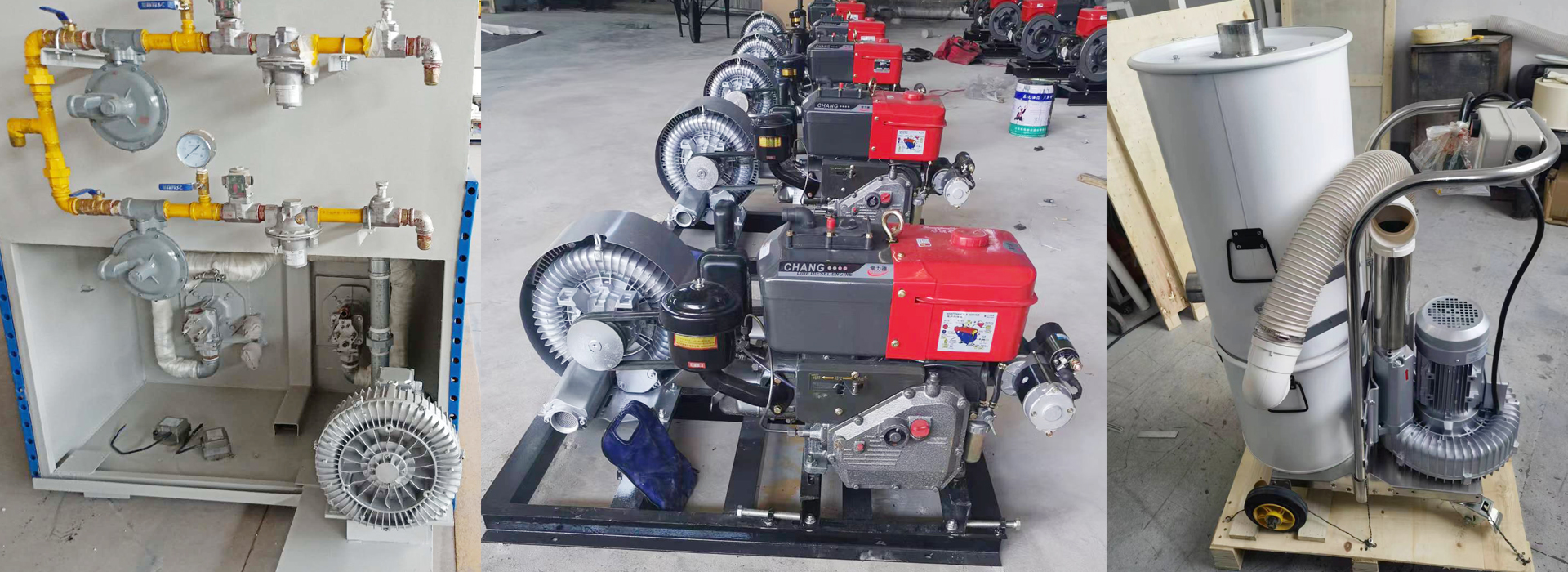
The resistance of pipeline system is an important working condition factor. When the pipeline is too long, the diameter is too small, or there are elbows, valves and other components in the pipeline, the air flow resistance will increase. The increase of resistance will lead to the increase of fan outlet pressure, while the air volume will decrease accordingly. In addition, the change of load will also affect the air volume and pressure. If the load suddenly increases, such as in the process of conveying materials, materials block the pipeline, and the fan needs to overcome greater resistance, then the wind pressure will rise, but the air volume will drop; On the contrary, when the load is reduced, the air volume and pressure may change accordingly.
External environmental factors can not be ignored. The ambient temperature has an influence on the air density. When the temperature rises, the air density decreases. Under the same operating conditions of the fan, the quality of the inhaled air decreases, resulting in a decrease in the air volume. At the same time, as the air density becomes smaller, the wind pressure generated by the fan will also decrease. The altitude will also affect the air volume and pressure. As the altitude increases, the atmospheric pressure will decrease, the air will become thinner, and the amount of air inhaled by the fan will decrease, which will affect the air volume and pressure.
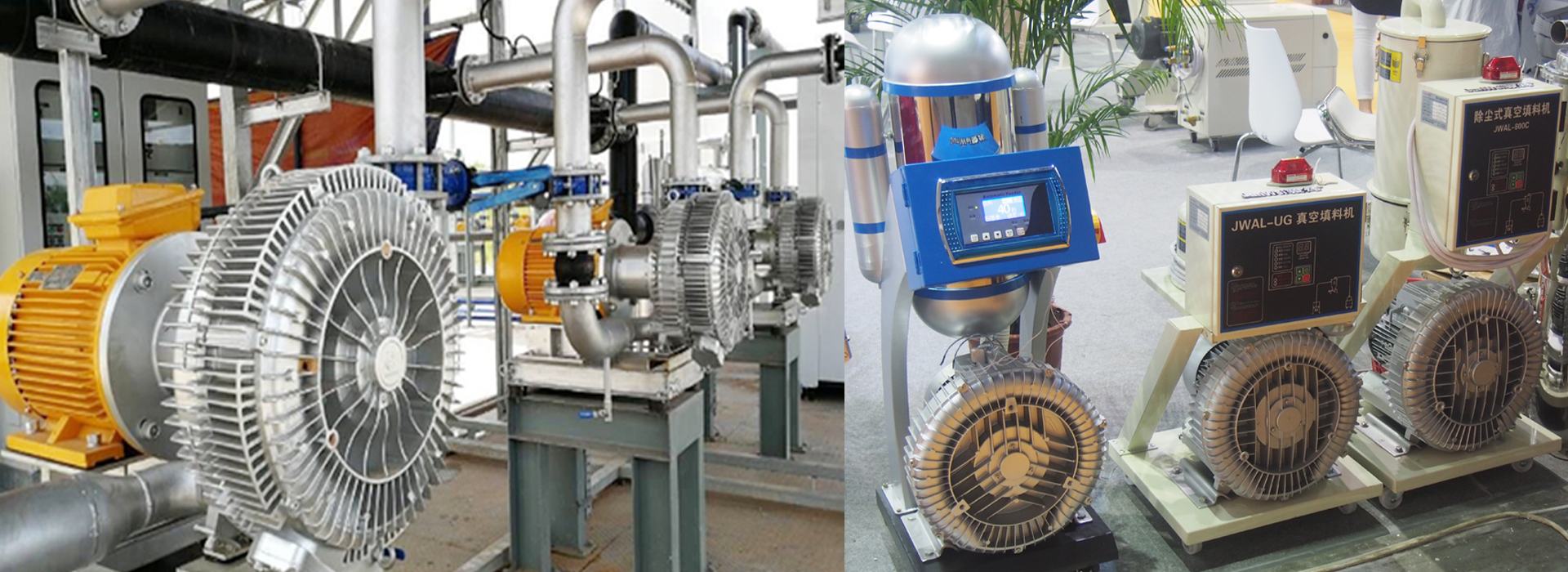
In addition, the impurity content in the air will also have an effect on the performance of the fan. When the air contains a lot of dust and particles, these impurities may block the air inlet, impeller and other parts of the fan, increase the air flow resistance, and then reduce the air volume and pressure, and may also aggravate the equipment wear.