-
04-30 2026
The application of high-pressure fans in different industries

-
04-30 2026
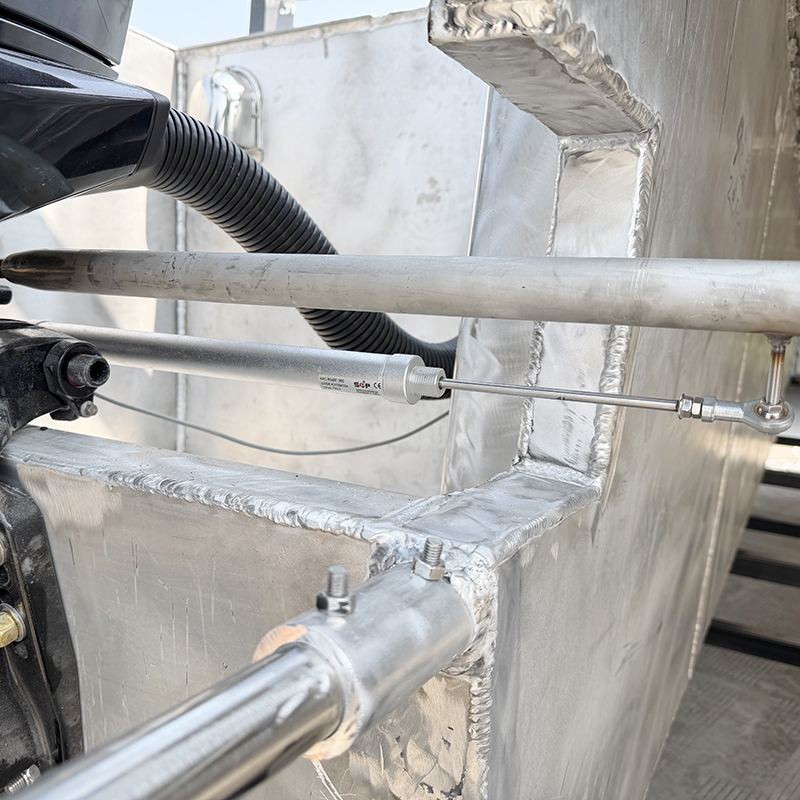
Precision Without Friction: Why SOP Sensors Thrive Where Others Quit
-
04-27 2026
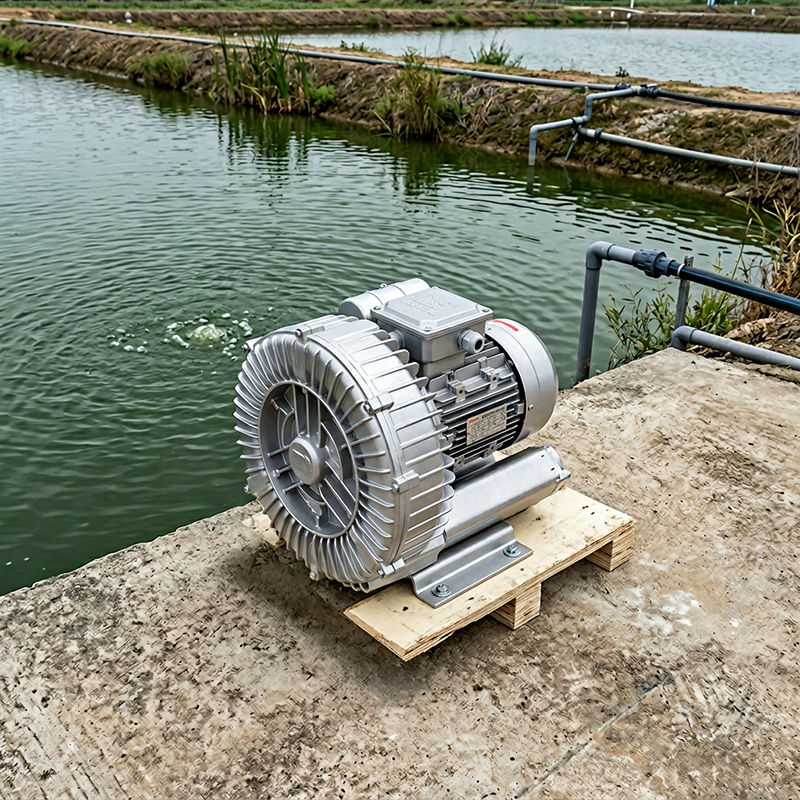
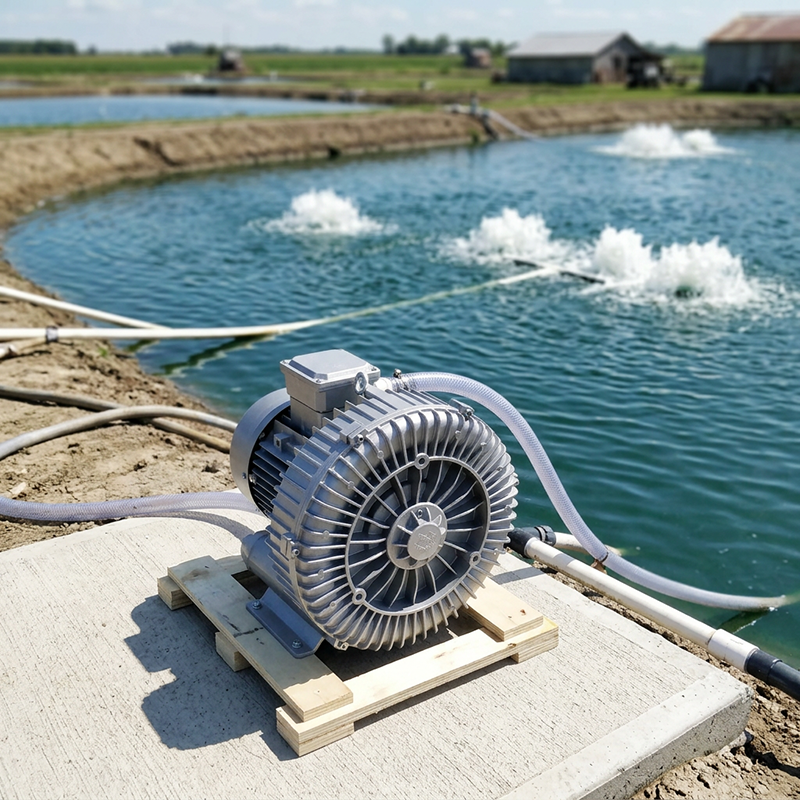
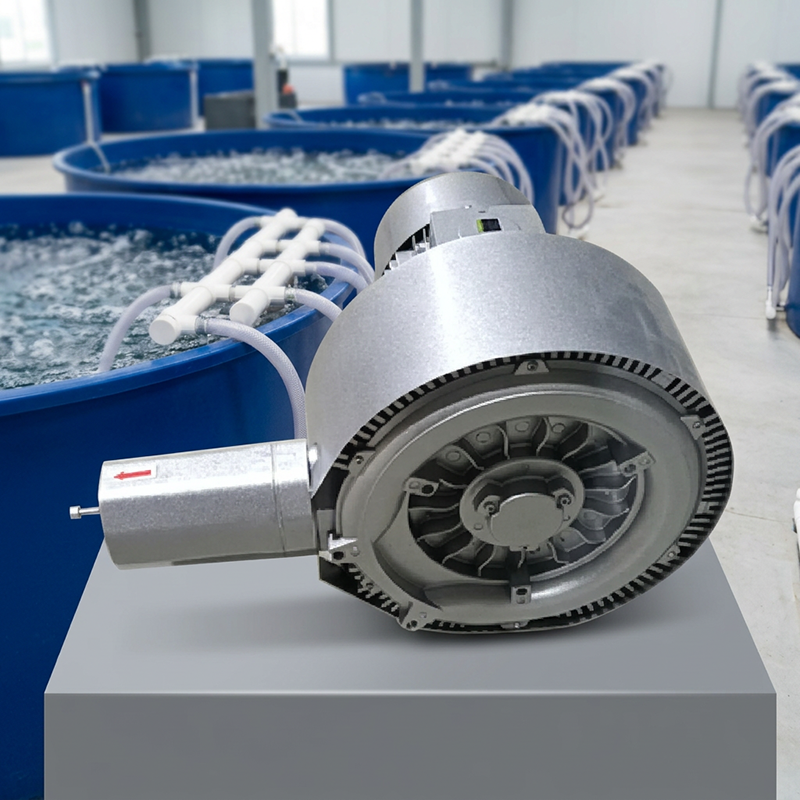
Efficient oxygen supply and green oxygenation: high-pressure blower helps modern aquaculture upgrade efficiently
The core lifeline of aquaculture lies in the dissolved oxygen in water, and the lack of dissolved oxygen will directly lead to fish and shrimp floating head, slow growth, frequent diseases, deterioration of water quality and sharp drop in output. With the core advantages of large air volume, high wind pressure, low noise, constant pressure air supply and 24-hour continuous and stable operation, high-pressure blower (annular high-pressure blower) has now become the standard oxygen supply equipment for industrial aquaculture, high-density fish ponds, shrimp and crab breeding, deep-water aquaculture and other scenes, providing core power support for aquaculture to reduce costs and increase efficiency and green and sustainable development.
-
04-27 2026
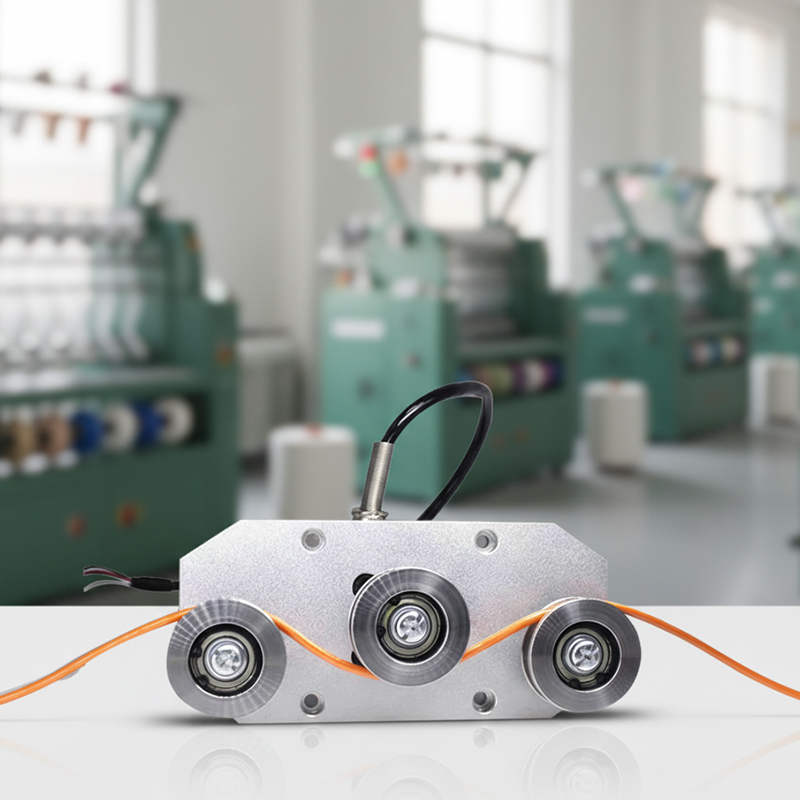
Application of Tension Sensor SOPZL-107 in Textile Industry
In the whole process of modern textile production, whether the tension of yarn and silk thread is stable or not directly determines the quality of finished fabric, production efficiency and raw material loss control. Three-roller tension sensor, with its accurate real-time tension detection and stable and reliable running performance, has long been an indispensable key equipment in textile weaving, spinning, warping, dyeing and finishing, laying a solid foundation for intelligent and high-end upgrading of textile industry. This three-pulley tension sensor is designed with a special three-point winding structure: the yarn passes through three groups of high-precision guide wheels, and the tension of the wire will be directly transmitted to the built-in high-precision strain measurement induction unit in the production process, and the mechanical tension will be converted into a standard electrical signal for output in real time.
-
04-20 2026
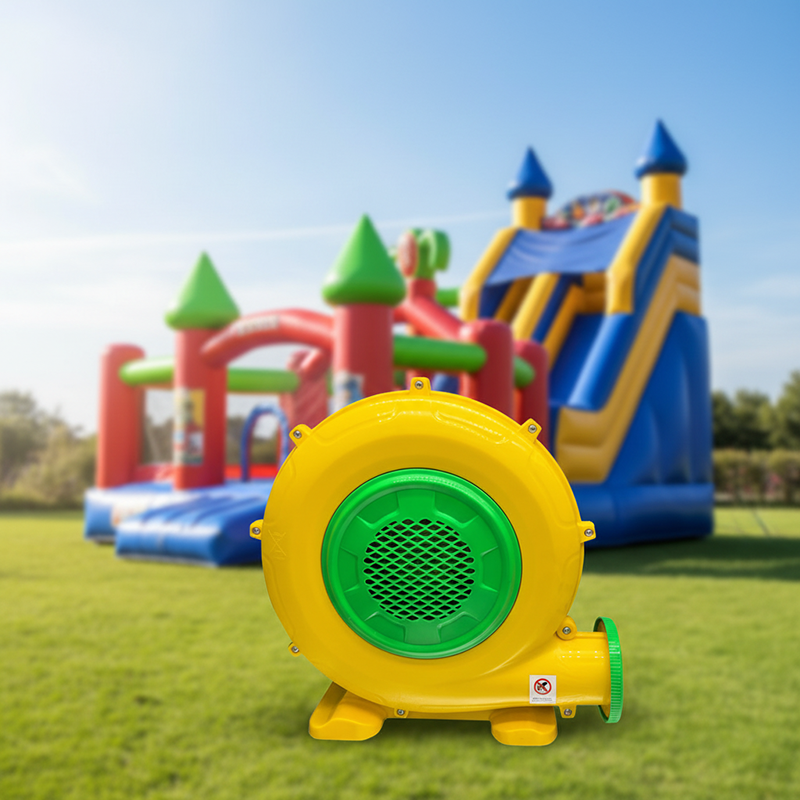
High performance inflatable blower
This yellow-green color matching inflatable blower is made of thickened engineering plastic, which has many advantages such as waterproof, moisture-proof, lightweight, fall-resistant, low-noise operation, convenient installation, safety and stability. With stable wind pressure, long-lasting battery life and outstanding protective performance, it is widely used in amusement, commerce, agriculture, household and other fields, and its adaptability is full.
-
04-20 2026
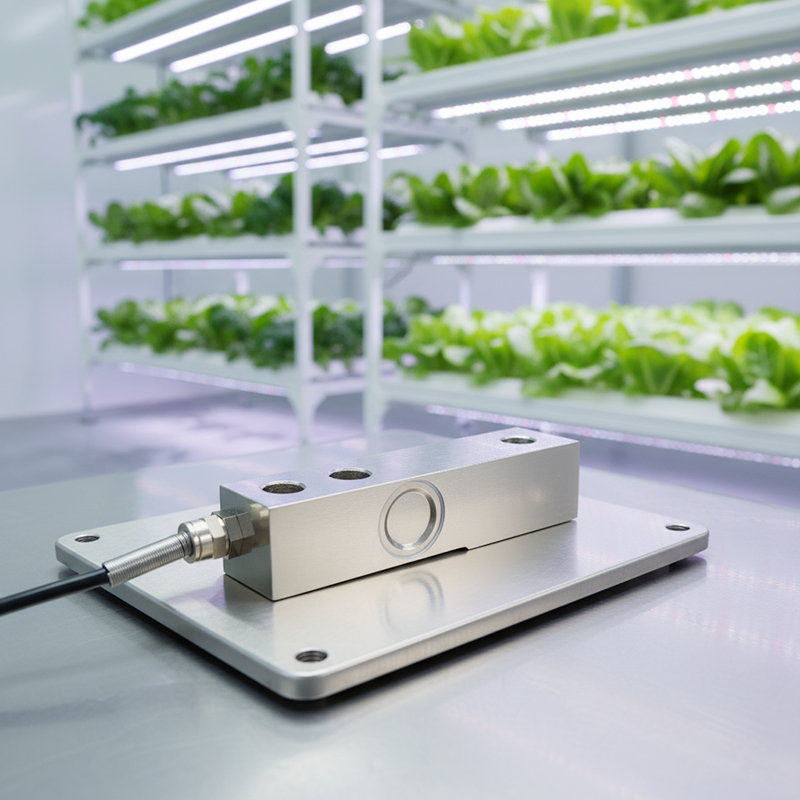
Application of Cantilever Beam Weighing Sensor in Vertical Agriculture
With the characteristics of high precision, anti-unbalanced load, compact structure and easy installation, cantilever weighing sensor has become the core sensing component of vertical agriculture to realize accurate water and fertilizer, growth monitoring and intelligent control, and is widely used in planting tank weighing, water and fertilizer ratio, yield monitoring and environmental adaptive control.
-
04-17 2026
High pressure ring blower: the "oxygen supply core" of sewage treatment, which helps to purify and improve water quality
Sewage treatment is the key link to protect the ecological environment and ensure the recycling of water resources, and aeration, as the core step of sewage treatment process, directly determines the efficiency and quality of sewage purification. With the advantages of stable wind pressure, controllable energy consumption and reliable operation, high-pressure blower replaces traditional aeration equipment and is widely used in municipal sewage treatment, industrial sewage treatment, rural sewage treatment and other scenes, providing sufficient oxygen for microbial degradation of pollutants, becoming an indispensable "oxygen supply heart" in sewage treatment system, and promoting sewage treatment to upgrade to high efficiency, energy saving and environmental protection. The core function of high-pressure blower (also known as high-pressure blower and vortex air pump) in sewage treatment is aeration and oxygen supply. Its working principle is essentially different from that of fish pond aeration, and it pays more attention to adapting to the complex working conditions of sewage treatment to achieve the dual effects of efficient oxygen transfer and water disturbance.
-
04-15 2026
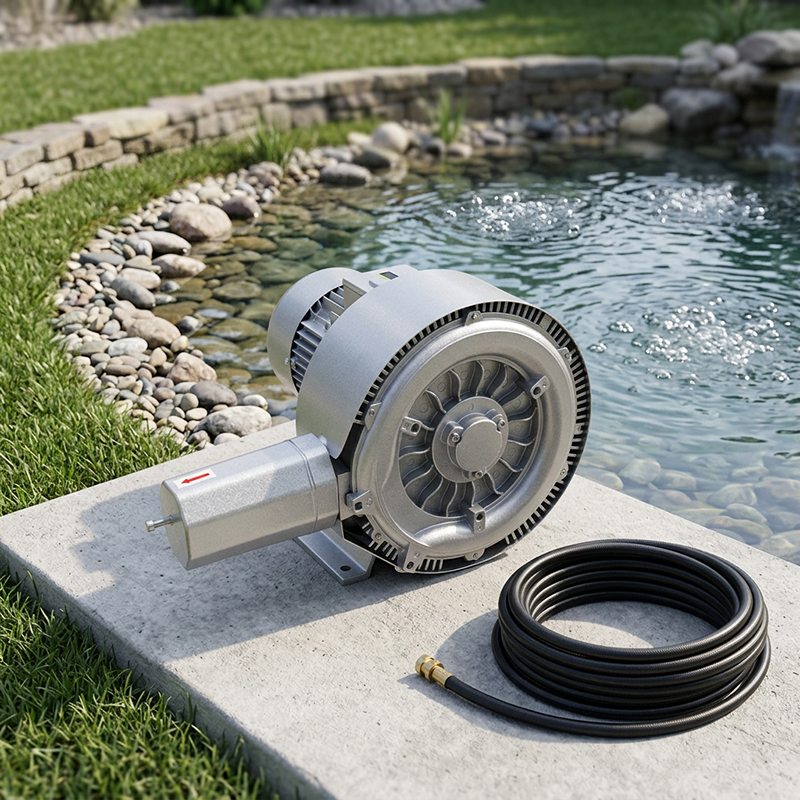
High pressure ring blower: the fish pond is oxygenated and upgraded to escort efficient ecological farming
In aquaculture, dissolved oxygen is the "lifeline" of aquatic organisms such as fish, shrimp and crabs, and it is also the core factor that determines the culture density, survival rate and culture benefit. With the transformation of aquaculture to intensive and high density, the traditional oxygen-increasing equipment has been difficult to meet the needs of oxygen-increasing and uniform oxygen supply in deep water bodies.
-
04-15 2026
Principle, advantages, installation and application of LVDT
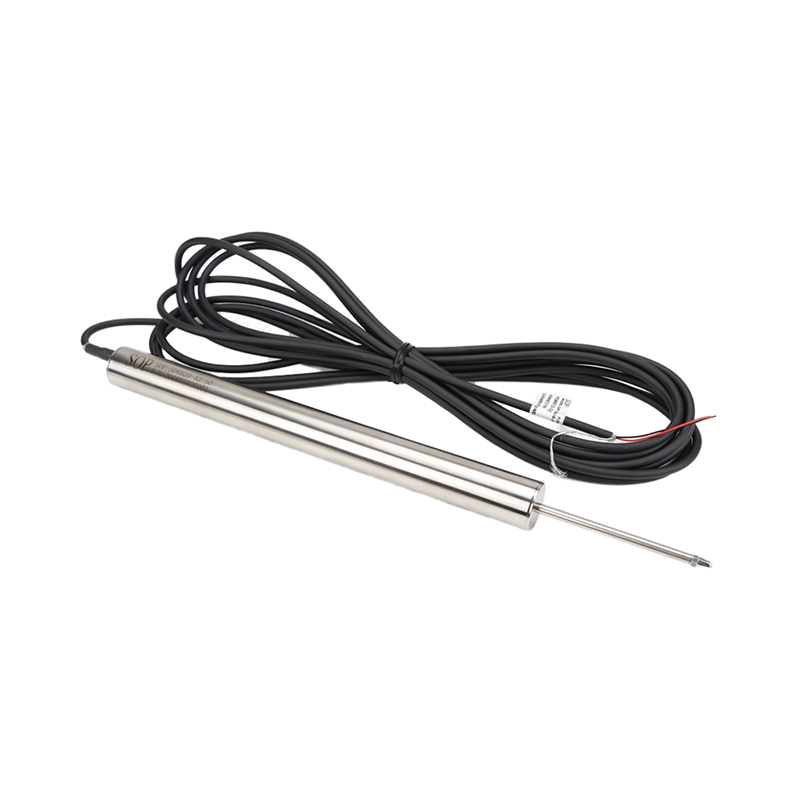
LVDT is a non-contact inductive precision displacement sensor, which can convert the linear mechanical displacement of the measured object into an electrical signal which is in strict linear proportion to the stroke and can be measured and transmitted. It is the core detection element in the field of industrial precision measurement and automatic closed-loop control.
-
04-09 2026
Centrifugal Blowers: Grow Your Farm’s Potential with Perfect Ventilation
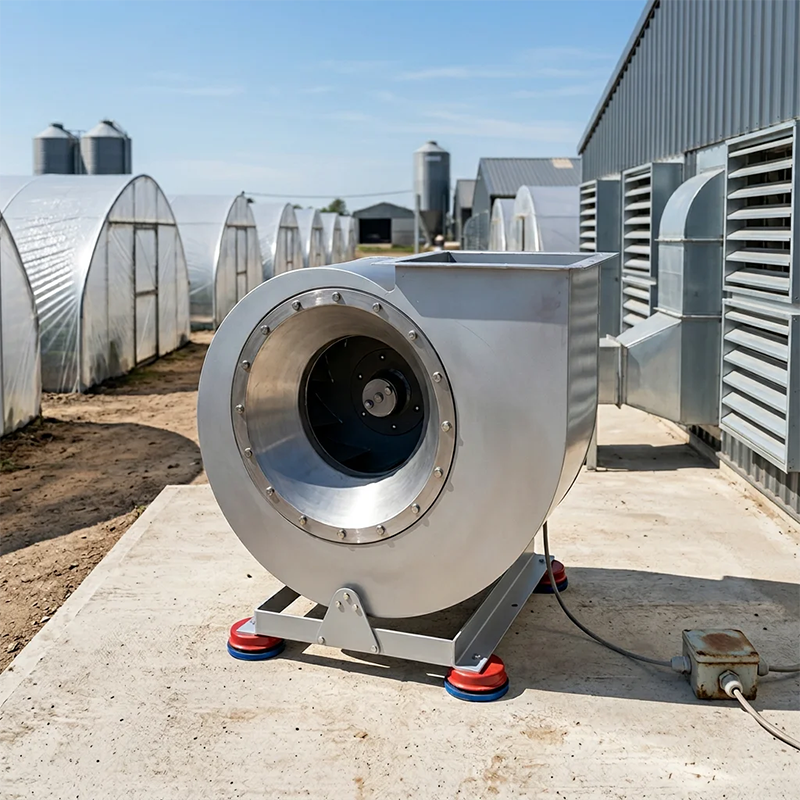
Great farming starts with great air—this isn’t just a saying, but the secret to healthier livestock, higher yields and lower operational risks for farms worldwide. Stagnant air, excess humidity and harmful gas buildup are silent threats to your herd and harvest, but our centrifugal blowers turn these challenges into opportunities, crafting the optimal air environment that lets your farm thrive. As a leading blower supplier with 20+ years of industry expertise, Jiangxi Sop Industrial Co., Ltd. designs centrifugal blowers tailored for farm ventilation, engineered to fit every farming scenario with performance that global farmers trust.