-
04-09 2026
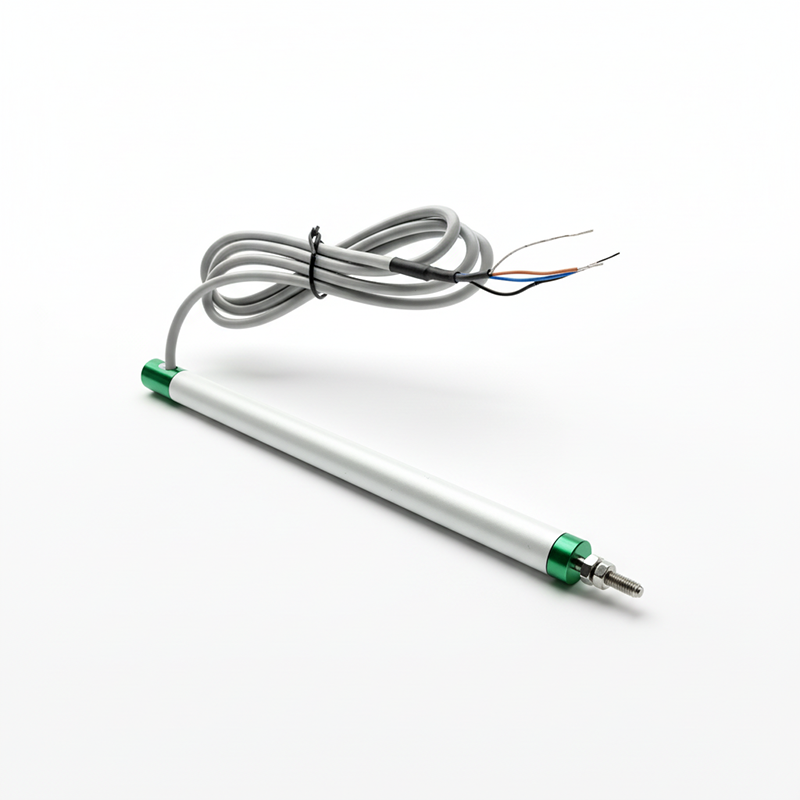
The first choice for high-precision measurement in small space: KPZ series sensors
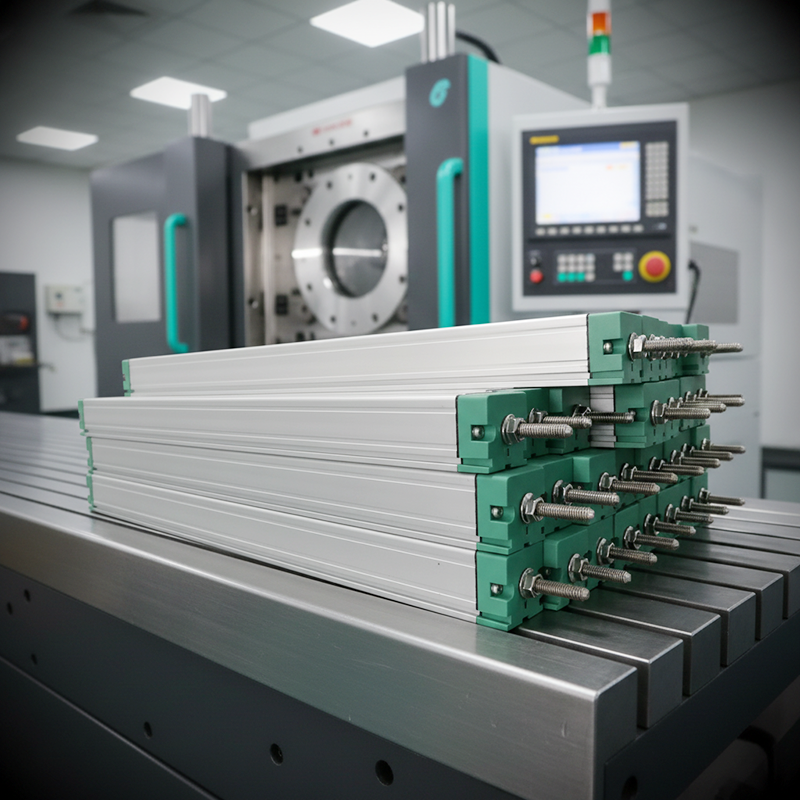
KPZ series linear displacement sensor is a miniature pull-rod displacement measuring device specially designed for space-limited occasions. As a subdivision series of potentiometer displacement sensor, KPZ occupies an important position in the field of industrial automation because of its compact structure, excellent linearity and convenient installation.
-
04-07 2026
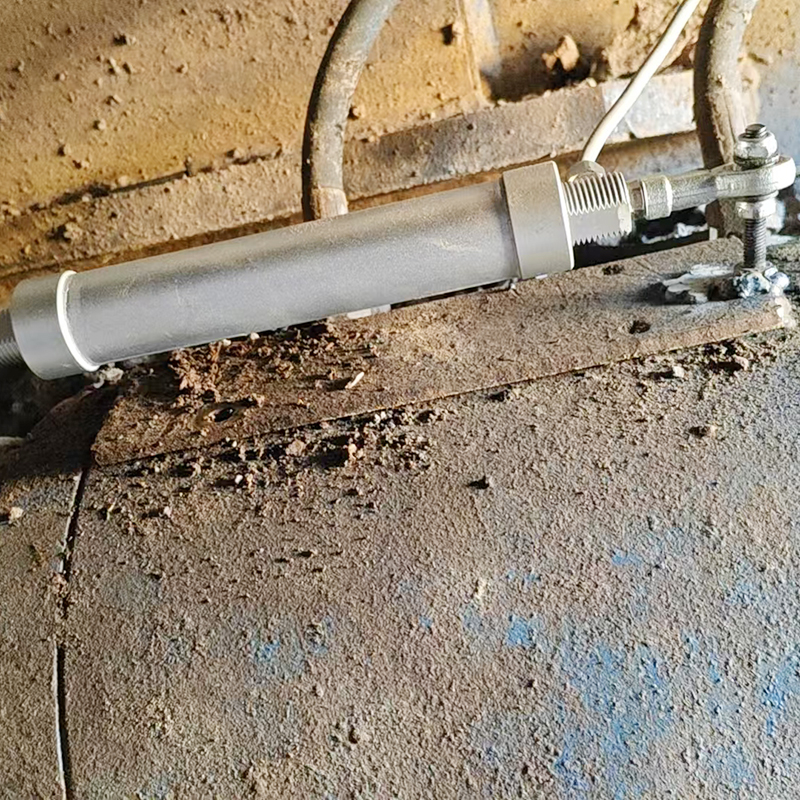
The first choice for wet environment: KPC waterproof linear displacement sensor
KPC linear displacement sensor is a high-performance position detection device specially designed for harsh industrial environment. As a representative of compact linear sensor, KPC series adopts fully sealed structure design, and the protection level reaches IP68, which can work continuously and stably under water. It is an ideal solution for displacement measurement in wet, dusty and harsh working conditions.
-
04-07 2026
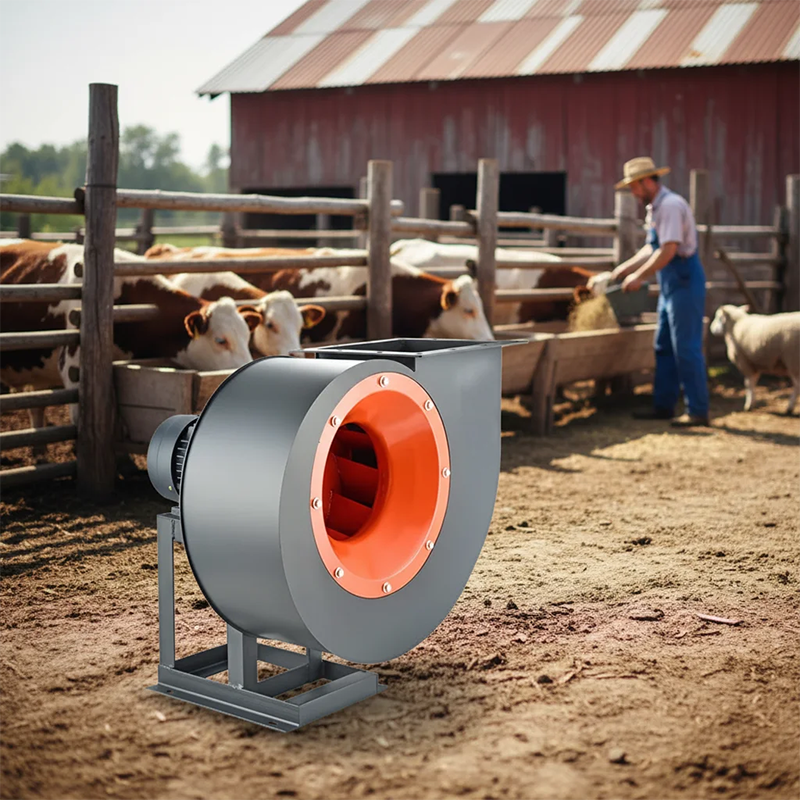
Centrifugal Blowers: Powering Healthy Air, Boosting Livestock Farm Productivity
For livestock farms worldwide, air circulation isn’t just a convenience—it’s the backbone of animal health, growth efficiency and farm profitability. Stagnant, humid air breeds disease, stunts growth and drives up operational costs, but the right ventilation solution changes everything. Jiangxi Sop Industrial Co., Ltd., a leading Chinese blower manufacturer with 20+ years of expertise, engineers centrifugal blowers that redefine livestock farm air circulation, blending unbeatable performance with farm-specific design to meet the needs of global breeders across Europe, North America, Asia and beyond.
-
04-03 2026
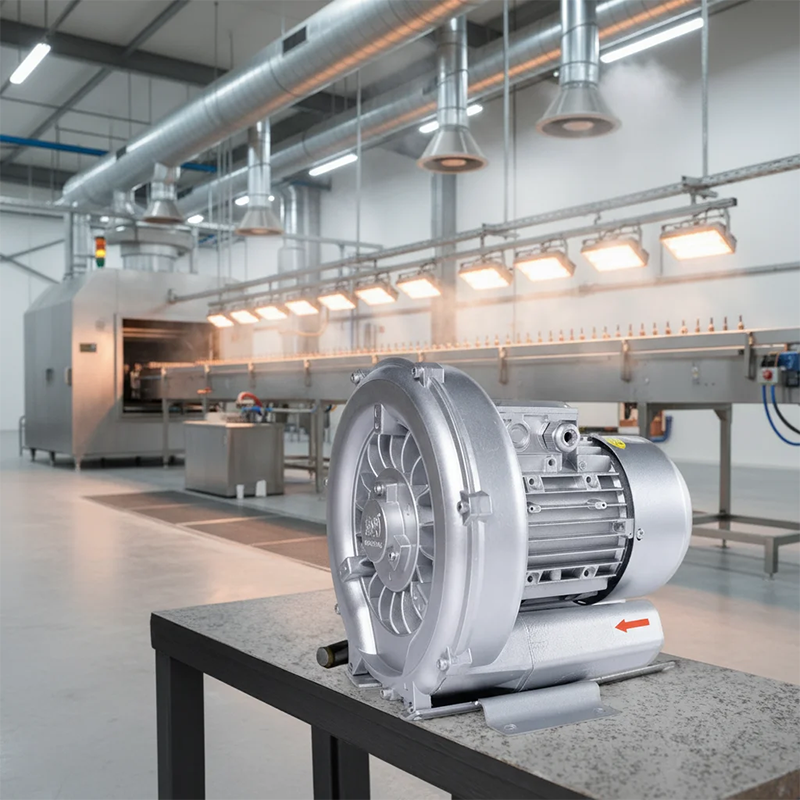
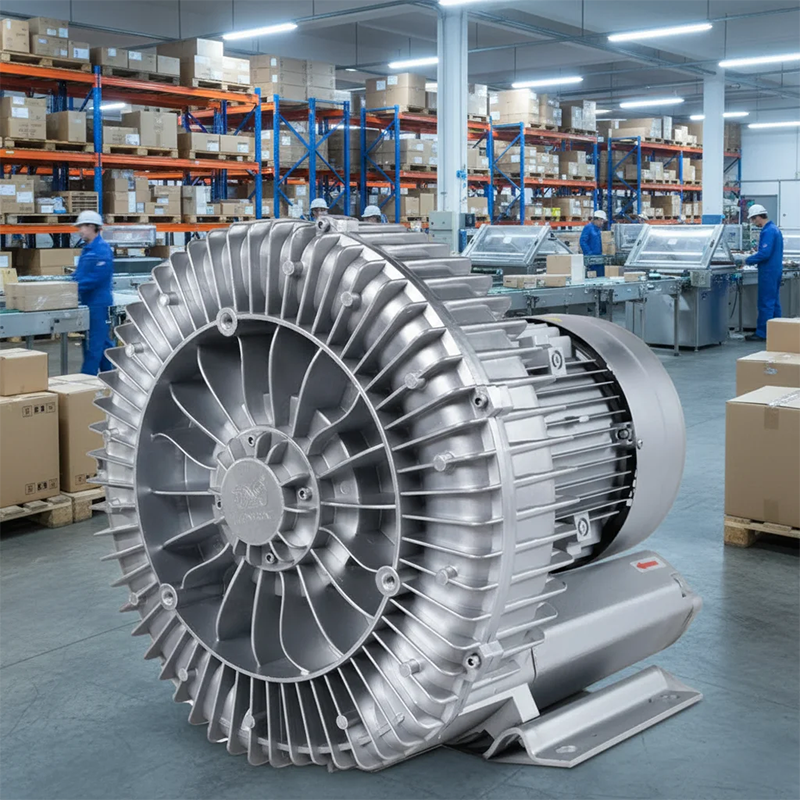
Side Channel Blower: Your Industrial Site’s Silent Dust Removal Guardian
Dust is the hidden enemy of industrial production—damaging equipment, compromising worker health, and derailing operational efficiency. What your workshop needs isn’t just a dust removal tool, but a high-performance side channel blower that delivers relentless suction, adapts to harsh industrial conditions, and turns dusty workspaces into clean, compliant production hubs. Jiangxi Sop Industrial Co., Ltd., a professional Chinese blower supplier with 20+ years of expertise, crafts side channel blowers engineered exclusively for industrial dust removal, redefining what efficient, reliable dust control can be for global manufacturing.
-
04-01 2026
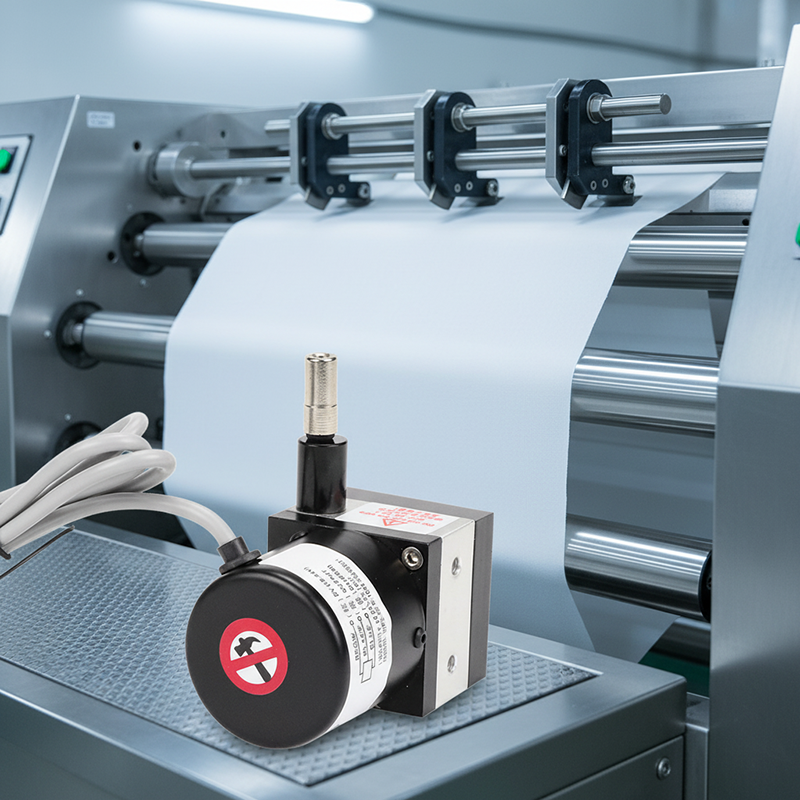
Application case of pull rope displacement sensor in non-woven fabric slitting machine
-
04-01 2026
Regenerative Blower: The Silent Powerhouse Elevating Global Vacuum Packaging Processes
For food and industrial manufacturers worldwide, a reliable vacuum packaging process is non-negotiable—preserving product freshness, extending shelf life and ensuring shipping stability demand precision, speed, and consistent vacuum pressure. As a leading Chinese blower manufacturer with over 20 years of expertise, Jiangxi Sop Industrial Co., Ltd. launches our Liongoal industrial regenerative blower, redefining performance for vacuum packaging lines and meeting the strict efficiency, reliability, and compliance demands of North American, European, and Asian manufacturing hubs.
-
03-30 2026
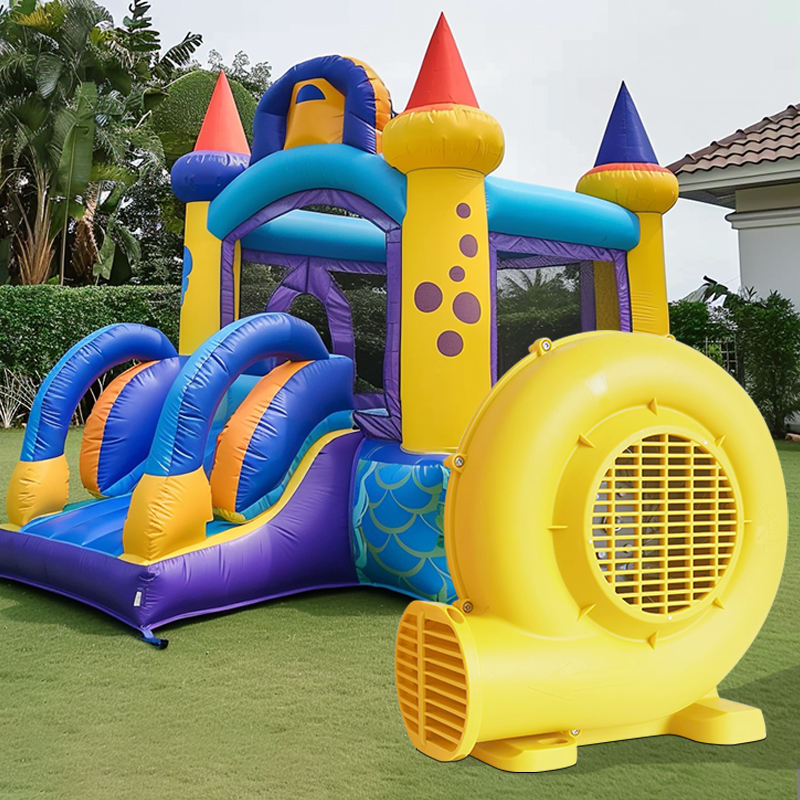
Application of inflatable blower
The air inflatable blower is a machine that relies on the input mechanical energy to increase the gas pressure and discharge the gas. It is a driven fluid machine.
-
03-30 2026
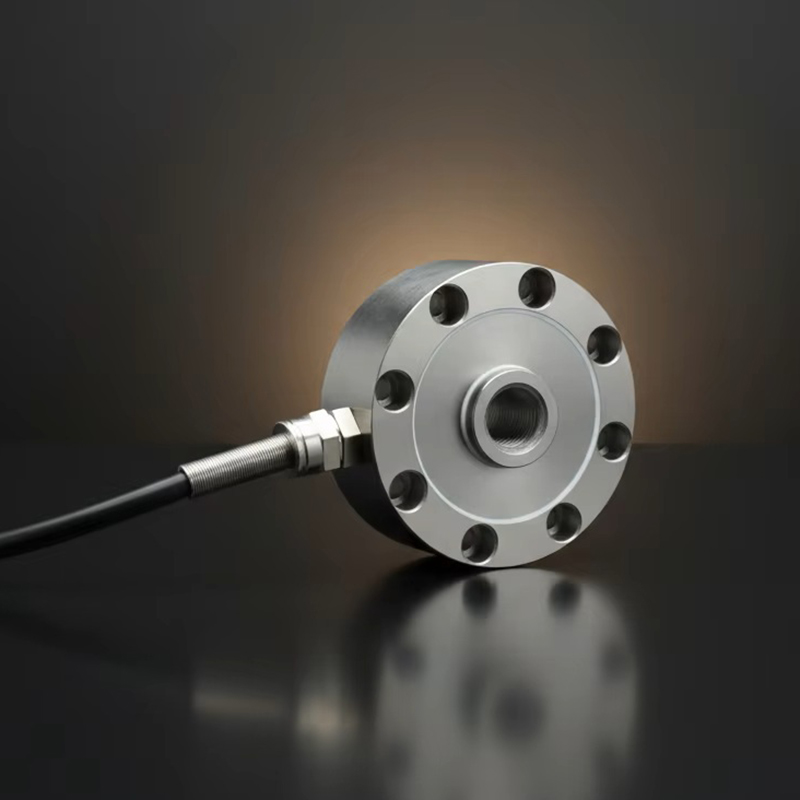
Spoke-Type Load Cells: Types, Working Principle and Applications
Spoke-type load cells, also known as pancake load cells, are high-precision force and weighing transducers widely used in industrial automation, manufacturing, and logistics. Featuring a low-profile, wheel-spoke structured elastic body, they deliver outstanding resistance to eccentric loads and side forces, ensuring stable measurement under heavy-duty and harsh conditions.
-
03-27 2026
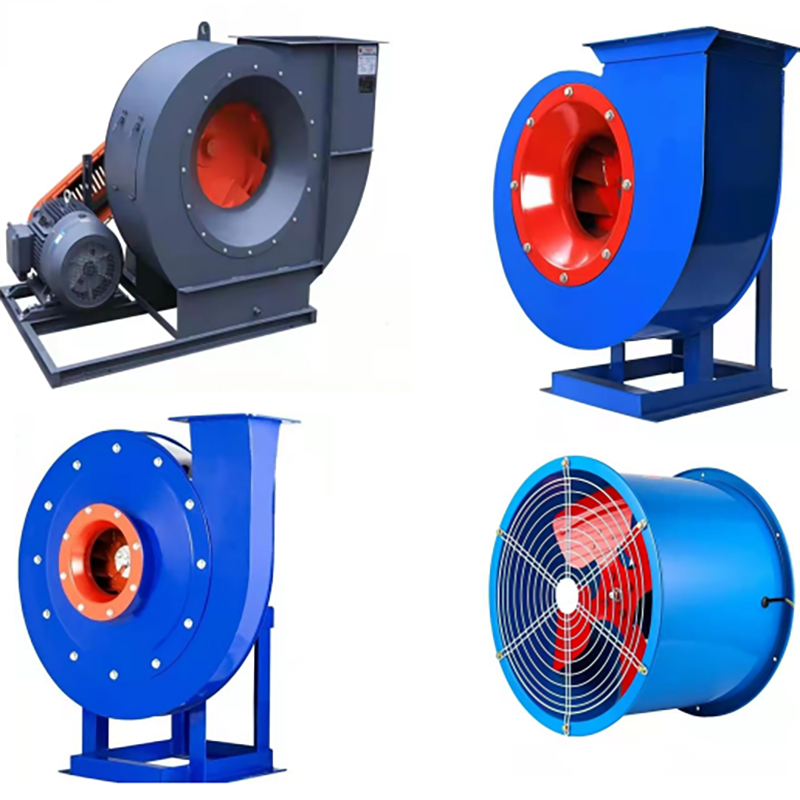
The construction of centrifugal fans can be classified in the following ways
The construction of centrifugal fans can be classified in the following ways: 1. By the outlet angle of the impeller blades (the most core classification): - Forward-curved fan: The blades curve forward, with an outlet angle greater than 90 degrees. It has high wind pressure, a compact structure, but relatively low efficiency and high noise. It is suitable for ordinary ventilation scenarios with low noise requirements. - Backward-curved fan: The blades curve backward, with an outlet angle less than 90 degrees. It has high operating efficiency, low energy consumption, low noise, and a stable operating curve. It is the mainstream efficient choice in industrial fields. - Radial fan: The blades are in a radial straight plate shape, with an outlet angle equal to 90 degrees. It has a sturdy structure, is resistant to wear, and is easy to clean. It is often used for conveying particles, fibers, or corrosive gases.
-
03-27 2026
High-Performance KTC Series Linear Displacement Sensor
In the world of industrial automation, precision and reliability are the cornerstones of operational excellence. Our KTC Series Linear Displacement Sensor is engineered to provide accurate position feedback in the most demanding environments. Designed with cutting-edge technology and robust materials, this sensor ensures your machinery operates with unparalleled consistency.